Integrated Medicine: Experiences with Shiatsu at Bellaria Hospital and the S. Orsola-Malpighi Polyclinic
PROF ANTONIA PARMEGGIANI e STEFANIA FERRI
“RE-SENSED BODIES”. Psychonutritional rehabilitation and Shiatsu: findings from a
decade-long multimodal programme in Bologna
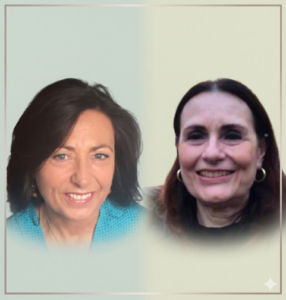
Prof. Antonia Parmeggiani (Lecturer in Child Neuropsychiatry, University of Padua) and Stefania Ferri, Shiatsu practitioner and teacher.
Abstract
The available clinical evidence, although still limited, suggests a promising therapeutic potential for Shiatsu as a complementary intervention in the field of child and adolescent psychiatry.
The aim of this study is to investigate the possible integrative therapeutic effects of Shiatsu in a population of children and adolescents with Eating Disorders (EDs).
Shiatsu sessions were administered weekly to patients admitted to the Regional Centre for Eating Disorders in Children and Adolescents in Bologna. Before and after each session, patients were asked to draw a picture of their own body, provide a visual analogue representation of any somatic pain, and write down their perceived somatic symptoms and their subjective emotional state.
We therefore analysed the data from 50 patients with a predominant diagnosis of restrictive anorexia nervosa. A preliminary analysis of these data suggests that Shiatsu may improve the somatic symptoms of the patients in the study sample. Furthermore, analysis of the progression of the projective test data revealed a gradual increase in the detail of the body schema.
The analysis conducted suggests a likely positive effect of Shiatsu on the process of developing body awareness in patients. The findings appear to resonate with the literature focusing on the themes of enterception, affective touch and C-tactile fibres in relation to eating disorders.
This study represents, to date, the first systematic attempt to evaluate the efficacy of a complementary, body-oriented intervention on the psychopathology of nutritional and eating disorders in childhood and adolescence.
These results open up new avenues of research aimed at clarifying the underlying aetiopathogenic rationale and confirming whether these Shiatsu protocols share characteristics with those of affective touch.
IRCCS Institute of Neurological Sciences, Bologna, Regional Centre for
Nutrition and Eating Disorders in Childhood, Paediatric Neuropsychiatry Unit,
Bologna, Italy
Department of Medical and Surgical Sciences (DIMEC), University of Bologna, Italy