
- Tag 0 Donnerstag, 17.9
- Tag 1 Freitag, 18.9
- Tag 2 Samstag, 19.9
- Tag 3 Sonntag, 20.9
- Rom 2026

Zusätzliches Sonderprogramm mit Vorträgen zu:
– Integrativer Medizin
– Quantenphysik
– Spiritueller Begleitung
– Parallelen zur taoistischen und buddhistischen Philosophie und ihrer Relevanz für ein tieferes Verständnis und eine vertiefte Praxis des Shiatsu.
Zu den Vortragenden gehören Ärztinnen, die Shiatsu in Krankenhausstrukturen integriert haben, Physikerinnen und Expertinnen der Quantenmechanik, Lehrende des Universitäts-Masterstudiengangs in Spiritueller Begleitung sowie Shiatsu-Praktikerinnen.
In den kommenden Wochen werden wir die Namen der Special Guests zusammen mit Details zu ihren Vorträgen bekanntgeben.
- Rom 2026
Zusätzliches Sonderprogramm mit Vorträgen zu:
– Integrativer Medizin
– Quantenphysik
– Spiritueller Begleitung
– Parallelen zur taoistischen und buddhistischen Philosophie und ihrer Relevanz für ein tieferes Verständnis und eine vertiefte Praxis des Shiatsu.
Zu den Vortragenden gehören Ärztinnen, die Shiatsu in Krankenhausstrukturen integriert haben, Physikerinnen und Expertinnen der Quantenmechanik, Lehrende des Universitäts-Masterstudiengangs in Spiritueller Begleitung sowie Shiatsu-Praktikerinnen.
In den kommenden Wochen werden wir die Namen der Special Guests zusammen mit Details zu ihren Vorträgen bekanntgeben.
Sei-Ki ist der Name, den Akinobu Kishi Sensei seiner eigenen Ausdrucksform der manuellen Therapie gegeben hat.
Sei-Ki ist zugleich eine Weiterentwicklung seines Shiatsu und eine Rückkehr zu dessen Ursprung.
Was ist Ki?
Ki ist Resonanz – und genau darin liegt der Kern der Sei-Ki-Praxis: einfach im leeren Raum präsent zu sein, ohne etwas zu tun.
Das ist es, was uns zu dem macht, was wir sind. Was uns leuchten lässt. Was uns verbindet.
Der menschliche Körper besitzt eine natürliche Fähigkeit, sich in Richtung Gesundheit und Gleichgewicht zu bewegen.
Wenn diese Fähigkeit geschwächt ist, werden wir zu einem Schatten unseres Selbst.
Sei-Ki respektiert und arbeitet mit dieser angeborenen Fähigkeit.
So können wir unsere ursprüngliche Vitalität und Gesundheit wiederfinden.
Der Fokus im Sei-Ki liegt darauf, das natürliche innere Streben nach Balance zuzulassen und zu begleiten – und die Fähigkeit des Menschen zu stärken, sich mit dem Leben zu verbinden und seine individuellen Talente voll auszudrücken.
Kishi Sensei forderte die Praktizierenden auf, erlernte Techniken loszulassen und dem Klienten im gegenwärtigen Moment zu begegnen – mit einem Zustand des „leeren Geistes“ (No-Mind), der es der natürlichen Intelligenz des Körpers ermöglicht, sich zu zeigen.
So ist es die Ki-Resonanz, die in der Begegnung entsteht, welche die Sitzung spontan und intuitiv leitet.
Ich werde versuchen, diese Erfahrung mit euch zu teilen.
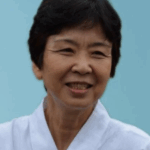
KYOKO KISHI
Kyoko Kishi lebt in Maebashi, Japan.
Als ehemalige Kimono-Meisterin ist sie tief in der japanischen Kultur verwurzelt.
Viele Jahrzehnte lang begleitete sie ihren Ehemann Akinobu Kishi, den Begründer des Sei-Ki, als Assistentin. Gemeinsam unterrichteten sie weltweit in Workshops.
Seit 2012 führt Kyoko das Erbe ihres Mannes weiter.
Sie hat einen eigenen, einzigartigen Stil des Sei-Ki entwickelt, den sie mit viel Herz und Hingabe weitergibt.
Die lokale Arbeit hat im Shiatsu einen besonderen Stellenwert neben der Meridianarbeit. Sie ist immer dann wertvoll und unverzichtbar, wenn lokale Beschwerden im Fokus einer Behandlung stehen oder wenn im Verlauf einer Behandlung lokale Bereiche im Körper eines Klienten auffällig werden und tiefer erforscht werden sollen. Lokales Shiatsu erhöht die Wirksamkeit einer Shiatsu Behandlung deutlich.
In diesem Kurs zeige ich die Grundtechniken des Lokalen Shiatsu: wie wir einen lokalen Bereich des Körpers untersuchen, seine Muster identifizieren und mit ihnen auf physische wie auch energetische Weise arbeiten können. Dabei können wir wahrnehmen, wie die Situation sich bereits unter Behandlung zu verändern beginnt. Ein wichtiges Instrument dieser Arbeit ist unsere entspannte und fokussierte Aufmerksamkeit, mit der wir wichtige Stellen direkt berühren können. Sie löst Veränderungen aus und gibt gleichzeitig unseren Klienten das Gefühl, gesehen zu werden.
Die einzelnen Schritte eines Lokalen Shiatsu sind folgende: genaue Informationen über den lokalen Bereich erfragen; diesen in den Händen halten, mit der Inneren Aufmerksamkeit darin sein und energetische Muster erkennen; sich für einen Teilbereich entscheiden und diesen mit der Reinen Aufmerksamkeit in seinem Zentrum berühren; die Eigenbewegungen des Körpers unterstützen; die Reine Aufmerksamkeit durch Berührung von außen unterstützen; die Einbindung des Lokalen Bereiches in die nähere Umgebung untersuchen und behandeln; das Lokale mit dem ganzen Körper verbinden.
Ausführlichere Informationen finden sich im Artikel „Schritte eines lokalen
meridianfreien Shiatsu“, der unter https://wilfriedrappenecker.eu/wp-content/uploads/2019/11/W.Rappenecker_Lokales_Shiatsu.pdf
heruntergeladen werden kann.
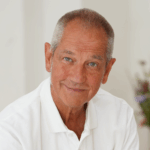
WILFRIED RAPPENECKER
Ist Facharzt für Allgemeinmedizin und arbeitet überwiegend mit Shiatsu, Shiatsu-Ausbildungen seit 1981 sowie Ausbildung in Craniosacraler Osteopathie. Er war Leiter der Schule für Shiatsu Hamburg seit ihrer Gründung 1987 bis 2017. Bis 2016 leitete er die Internationale Shiatsu Schule ISS Kiental in der Schweiz. 2004 war er Initiator der Europäischen Shiatsu Kongresse und leitete die ersten 4 ESC. Auch ist er Mitbegründer der Gesellschaft für Shiatsu in Deutschland (GSD) und Autor, Ko-Autor bzw. Herausgeber von zurzeit 7 Fachbüchern zu Shiatsu (u.a. „Yu Sen – Shiatsu für Anfänger“, „Fünf Elemente und 12 Meridiane“ und „Atlas Shiatsu – die Meridiane im Zen-Shiatsu“. sowie zahlreicher weiterer Artikel und Veröffentlichungen. Die Arbeit in der Shiatsu-Praxis und das Unterrichten bereiten ihm nach wie vor viel Freude.
Die Praxis des Shiatsu ermöglicht es – dank des Wissens der fernöstlichen Medizin – die Vitalität zu unterstützen durch Behandlungen, die den freien Fluss des Ki in Längsrichtung nutzen: oben/unten oder Himmel–Erde in der taoistischen Sichtweise, zusammen mit der Fähigkeit des Körpers, sich in Querrichtung zu verbinden.
Daraus ergibt sich auch ein Bezug zwischen der Beziehung bzw. Achse Wasser–Feuer und der Querbeziehung zwischen Holz und Metall. Mit der Erde, der Milz, meinem Körper, in der zentralen Position.
Es wird eine Behandlung vorgestellt und praktiziert, die den auf- und absteigenden Richtungen sowohl der beiden außergewöhnlichen zentralen Gefäße als auch der Haupt- bzw. Regelmeridiane folgt, verbunden mit seitlichen Drucktechniken, die diese energetischen Strukturen durchqueren. So kann tatsächlich eine Sequenz am Rücken durchgeführt werden, die logischerweise eher den Yang-Kanälen folgt, und eine vordere, die stärker die Yin-Meridiane nutzt. Dies wird kombiniert mit der Behandlung von drei vorderen Linien (der Stützlinie, der Linie der tiefen Ernährung und der Linie der Öffnung der Atemzüge) sowie zwei hinteren Linien (der Kraftlinie und der Atemlinie).
So wie im Baum das Aufsteigen und Absteigen des Saftes ihn erhält und er sich durch Äste und Blätter dem Leben öffnet, die ihn nähren.
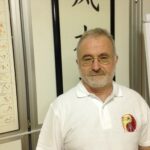
MAURIZIO PARINI
Er begann sein Shiatsu-Studium 1981 bei Mario Vatrini. Als Rehabilitationstherapeut ist er Absolvent des Zentrums für Fort- und Weiterbildung in Manueller Therapie.
Er war Präsident der Italienischen Shiatsu-Föderation (FIS) und ist derzeit in der FISieo als Leiter des Evaluationsbereichs sowie Teil der Geschäftsleitung aktiv.
Seit 1993 hält er regelmäßig Vorträge auf nationalen und internationalen Kongressen, organisiert von den bedeutendsten Shiatsu-Verbänden Italiens.
Sein besonderes Interesse gilt der fernöstlichen Medizin – insbesondere der Moxibustion – sowie der Frage, wie sich Prinzipien der Traditionellen Chinesischen Medizin in der japanischen manuellen Praxis anwenden lassen.
Seit 1986 unterrichtet er an der Hakusha-Schule für Shiatsu und Moxibustion, wo er als pädagogischer Leiter der Standorte Mailand, Varese und Como tätig war.
Zusammen mit Dr. Corradin und Dr. Di Stanislao ist er Mitautor des Werks „Medicina Tradizionale Cinese per lo Shiatsu ed il Tuina“ und hat am Buch „Visceri e Meridiani Curiosi““ mitgewirkt.
Immer mehr Menschen sind heute von einer oder mehreren chronischen Erkrankungen betroffen. Die begleitenden Therapien sind unterschiedlich und können ein Leben lang andauern. Immer öfter suchen die Betroffenen auch Unterstützung in der Komplementär-Therapie Shiatsu.
Dieses Seminar zeigt Wege, wie wir die Betroffenen über das begleitende Gespräch, die das erspüren der betreffenden MeridiaShiatsu-Meridian-Behandlung , die ausserordentlichen Gefässe / Meridiane, bestimmten Tsubos, Bindegewebstechniken wie auch Atem- und Körper-Übungen unterstützend begleiten können. Dies auch während des Sterbeprozesses.
Der Fokus wird insbesondere auf die bei der Befundaufnahme erspürten Masunaga Befundmeridiane und ihren sich zeigenden Schwingungsebenen wie auch auf drei Sondermeridiane der ersten Generation liegen. Das heisst, wir binden Masunaga Meridiane und die Sondermeridiane Chong Mai, Ren Mai, Du Mai bewusst zusammen in die Behandlung ein. Auch werden wir erspüren auf welcher Schwingungsebenen die Masunaga Befundmeridiane sich zeigen und welche Energiezentren (Chakren) eine Resonanz mit den jeweiligen Masunaga Befundmeridianen erzeugen. Weiter werden wir unterstützende Zonen, Punkte aktivieren und vieles mehr.
Seminarinhalte:
- was bedeutet es chronisch krank zu sein
- wie kann sich eine chronische Erkrankung auf energetischer Ebene auswirken
- spezifische Elemente in der Shiatsu-Behandlung von chronisch kranken Menschen kennenlernen und erfahren
- unterstützende Atem- und Körper-Übungen kennenlernen und erfahren
- das begleitende Gespräch, Unterstützung von Resilienz und Ressourcen
- Möglichkeiten und Grenzen des Therapeuten
Es wird ein ausführliche Hand-Outs zum ganzen Seminar abgegeben
Die Erfahrungswerte zur Begleitung von Patienten mit chronischen Erkrankungen wie Krebs, Multiple Sklerose, Autoimmunerkrankunen, klinischer Depression, Angststörungen, chronische Schmerzen, Essstörungen, Morbus Parkinson, Morbus Crohn, Fibromyalgie, Rheuma, Arthritis, Arthrosen, Diabetes mellitus Typ II, um Einige zu nennen, welche in dieses Seminar einfliessen, wurden von mir über die letzten 17 Jahre gesammelt und ausgewertet. Meine Arbeit als Therapeutin ist erfahrungsnah und praxisbezogen.
MICHELINE PFISTER
Ich bin in Rüschlikon aufgewachsen. Nach der Matura habe ich Ethnologie in Zürich und Montpellier studiert. Als alleinerziehende Mutter musste ich mich dann neu orientieren und begann mit der Shiatsu Ausbildung am ESI Schweiz welche ich im Dezember 1999 abschloss. Danach war ich am ESI Schweiz Übungsleiterin, später auch Lehrperson der unteren Stufen. Seit dem Jahr 2000 unterrichte ich meine eigenen Seminare in der Schweiz und Europa.
Schon während meiner Ausbildungszeit kamen chronisch kranke und schwer kranke Personen zu mir in die Shiatsu Begleitung. Anhand der Rückmeldungen der Betroffenen wie auch anhand meiner energetischen Wahrnehmung konnte ich erfahren dass bestimmte Shiatsu Tools, welche ich am Kongress zeigen werde, für Betroffene sehr unterstützend sein können. Aus meiner Berufserfahrung hat sich ein erweitertes Shiatsu Behandlungsfeld gebildet. Ich werde meine Erfahrungen, welche auf der jahrelangen Begleitung Betroffener basiert, am Kongress mit euch allen teilen.
Seit 1996 ist Shiatsu ein integrierter Bestandteil des Rehabilitationsprozesses der „Kinder-Neuropsychiatrie-Abteilung und Regionales Zentrum für Essstörungen (DNA) im Entwicklungsalter“ am Bellaria IRCCS Krankenhaus in Bologna, derzeit geleitet von Professorin Antonia Parmeggiani.
Die Tätigkeit hat sich entsprechend den Bedürfnissen der jungen Patientinnen und Patienten entwickelt und gefestigt. Aktuell wird sie als Gruppenarbeit für die Tagesklinik und Station angeboten und findet in einer wöchentlichen Sitzung von eineinhalb Stunden für jede Einrichtung statt.
Shiatsu, die während der Aktivität vorgeschlagenen Übungen und die von den Teilnehmerinnen und Teilnehmern gefertigten Zeichnungen sind Praktiken, die darauf abzielen, die Wahrnehmung und das Bewusstsein für Körper/Geist/Seele zu erweitern.
Ziele sind:
- Beschwerden durch Essstörungen einzudämmen und zu reduzieren
- durch den wechselseitigen Shiatsu-Austausch die passive und ichbezogene Haltung der Betroffenen zu verändern
- über Berührung die Beziehungsfähigkeit zu entwickeln
- beim Einzelnen einen tiefen und wohltuenden Entspannungszustand herbeizuführen
- individuelle körperliche und psychische Ressourcen zu fördern
- psychomotorische Prozesse sowie kognitive und intuitive Fähigkeiten zu verbessern
- die Interozeption zu stimulieren
- ein neues Körperbild zu fördern
- individuelles körperliches und energetisches Wissen-Bewusstsein zu aktivieren und zu entwickeln
- den leidenden Personen Respekt und Fürsorge für den eigenen Körper zu erleichtern
- ein größeres Selbstbewusstsein und eine bessere Beziehung zur Außenwelt zu entwickeln
Das Ziel dieses Weges ist es, medizinische und psychologische Therapien mit Shiatsu-Techniken zu integrieren und synergetisch zu verbinden, mit dem primären Anliegen, die Person in ihrem Rehabilitations- und Transformationsprozess zu unterstützen und sie zur Hauptakteurin bzw. zum Hauptakteur ihres Lebensprojekts zu machen – nach einer ganzheitlichen Sichtweise.
Stefania Ferri
Shiatsu-Lehrerin und Praktikerin, verantwortlich für Aktivitäten in der Station und Tagesklinik der „Kinder-Neuropsychiatrie-Abteilung und Zentrum für Essstörungen im Entwicklungsalter“
stefania.shiatsu@gmail.com
STEFANIA FERRI
Zertifizierte Shiatsu-Lehrerin und Praktikerin (FISieo), begann ihre Ausbildung in Shiatsu und östlichen Disziplinen Ende der 1970er Jahre in Paris. Sie setzte ihre Studien in Europa, Thailand, Japan, China, Korea und Hawaii fort und vertiefte ihr Wissen über traditionelle manuelle Praktiken, Traditionelle Chinesische Medizin und meditative Praktiken.
Von 1986 bis 2011 unterrichtete und koordinierte sie die Aktivitäten der von ihr gegründeten und geleiteten „Lotus Shiatsu School“. 1990 war sie Mitbegründerin der FIS (Italienische Shiatsu-Föderation) und von 2004 bis 2006 Präsidentin der ASSI (Verband der Italienischen Shiatsu-Schulen).
Seit den 1990er Jahren entwickelt sie Projekte zur Shiatsu-Praxis in öffentlichen und privaten institutionellen und gesundheitlichen Einrichtungen, u.a. in den Bereichen Drogenabhängigkeit, Psychiatrie, Essstörungen (DNA) und im Frauengefängnis Bologna.
Seit 1996 ist sie verantwortlich für Shiatsu-Aktivitäten in der Station und Tagesklinik der „Kinder-Neuropsychiatrie-Abteilung und Zentrum für Essstörungen“ des Bellaria Krankenhauses in Bologna. Von 2015 bis 2018 arbeitete sie mit der „Residenza Gruber“ in Bologna in der Behandlung von Essstörungen zusammen.
Neben der Förderung von Ausbildungsaktivitäten auf nationaler Ebene entwickelt sie individuelle Behandlungswege für das Entwicklungsalter, Erwachsene, ältere Menschen und Menschen mit Behinderungen.
Masunaga beschrieb die Verbindung, die wir im Shiatsu erleben, mit dem Teilen des „Echos des Lebens“.
In diesem praxisorientierten Workshop erforschen wir, wie wir diese Verbindung maximieren können, um die positive Lebenskraft des Empfangenden bestmöglich zu unterstützen.
Wie können wir auf allen Ebenen besser mit unserem Klienten kommunizieren und gemeinsam mit ihm daran arbeiten, die Wirkung des Shiatsu zu optimieren und seinen persönlichen Nutzen daraus zu vertiefen?
In letzter Zeit hat Cliff mit Dr. Cindy Engel und Nick Pole zusammengearbeitet.
Cindys bahnbrechende Arbeit über somatische Empathie („Another Self – How Your Body Helps You Understand Others“) zeigt auf außergewöhnliche Weise, wie die präverbale, angeborene Intelligenz unseres Körpers uns hilft, zu „lesen“, was im Körper des Empfangenden geschieht.
Nick hingegen ist auf den Einsatz von Clean Language und Achtsamkeit spezialisiert, um Körper und Geist in einen Dialog zu bringen und somatische Veränderungen zu unterstützen („Words that Touch: How to Ask Questions Your Body Can Answer“).
Inspiriert durch diese Kooperationen zeigt Cliff, wie sich Erkenntnisse aus somatischer Empathie, Psychobiologie, Clean Language und Achtsamkeit in die energetische Shiatsu-Praxis integrieren lassen.
Gemeinsam werden wir erforschen, wie wir:
- Zugang zur positiven Bewegung des Ki finden – mit Hilfe der sogenannten „Outcome Question“
- unsere somatische Empathie entwickeln – durch Achtsamkeit
- Kyo und Jitsu mit dem gesamten Ki-Feld des Klienten verbinden
- praktische Techniken integrieren und die Wirkung von Tsubos evaluieren
CLIFF ANDREWS
Cliff begann sein Shiatsu-Studium 1981 am Brighton Natural Health Centre und gründete 1986 das Shiatsu College UK mit.
Im selben Jahr wurde er von Pauline Sasaki, nach der Teilnahme an ihren jährlichen Residenzseminaren im Vereinigten Königreich, eingeladen, als ihr Vollzeit-Schüler in die USA zu kommen.
1987 begann eine zwanzigjährige Zusammenarbeit mit ihr, in der er Masunagas Zen-Shiatsu-System weiterentwickelte – im Rahmen zahlreicher Workshops in Europa und den USA.
Während seiner über 30-jährigen internationalen Lehrtätigkeit wurde Cliff regelmäßig eingeladen, in Europa, den Vereinigten Staaten und Australien zu unterrichten.
Heute ist er halb im Ruhestand und betreibt eine Shiatsu-Praxis in Teilzeit in Norwich und Zürich.
Er leitet weiterhin das Projekt www.newenergywork.com, das zur weltweit größten Online-Lernplattform für Shiatsu geworden ist – mit fast 4.000 Mitgliedern und über 100.000 Kursteilnahmen.“
Quantum Shiatsu ist eine Form der Körperarbeit, die die verschiedenen Manifestationen von Energie im Menschen anerkennt. Es handelt sich um ein Shiatsu, das über die drei Dimensionen der materiellen Welt hinausgeht und sich der Multidimensionalität des Menschseins öffnet.
Viele Shiatsu-Stile basieren in Theorie und Praxis auf den alten Prinzipien der östlichen und ayurvedischen Medizin. Quantum Shiatsu geht einen Schritt weiter und integriert Konzepte der Quantenphysik, die aufzeigen, wie der Körper als ein Feld energetischer Vibrationen funktioniert – in einem ständigen Wechselspiel von Kontraktion und Expansion.
Wenn wir Zugang zu diesem Aspekt unseres Körpers erlangen, öffnen wir uns dem gesamten Energiespektrum, das dem Menschen zur Verfügung steht.
Sich diesem gesamten Spektrum zu öffnen bedeutet, vollständig präsent in unserer physischen Realität zu sein – der überwiegend kontrahierten Ausdrucksform unserer Energie – und gleichzeitig tief mit unserer spirituellen Realität verbunden zu sein – dem expansiven Ausdruck unserer Energie.
Dieser neue Gesundheitsansatz erfordert die Aktivierung des energetischen Körpers. Damit ist der Mensch in seiner untrennbaren Einheit von Körper, Geist und Seele gemeint.
Wenn diese Aktivierung geschieht, können die Qualitäten, die unsere spirituelle Realität ausmachen – Liebe, Mitgefühl, Vergebung, Harmonie, Schönheit usw. – in unserer physischen Realität in Erscheinung treten und so einen Prozess der spirituellen Heilung und Entwicklung fördern.
„Unsere spirituelle Realität hat keine Bedeutung, solange sie sich nicht in unserer physischen Realität manifestiert. Und unsere physische Realität kann sich nicht verändern oder weiterentwickeln, solange sie nicht im Kontext unserer spirituellen Realität organisiert ist.“
Im Quantum Shiatsu wird das alte Paradigma der Heilung – das auf der Korrektur dessen beruhte, was nicht funktioniert – als überholt betrachtet.
An seine Stelle tritt ein neues Paradigma, das die Ausrichtung unserer physischen Energie auf das, was richtig ist, fordert.
Dieser Ansatz berücksichtigt die natürliche Tendenz des Körpers, in seinen gesunden energetischen Aspekten Wege zur Selbstregulation und Ganzwerdung zu finden.
Kurz gesagt: Wir treten in Kontakt mit dem lebensfördernden Aspekt des Körpers, der zur Selbstheilung fähig ist – und richten unsere Aufmerksamkeit auf die Stärken und Potenziale unserer Klient:innen, nicht auf ihre Schwächen.
GABRIELLA POLI
Gabriella entdeckte Shiatsu 1986 und schloss ihre Ausbildung 1988 am Ohashi Institute in New York ab. 1990 gründete sie gemeinsam mit einem europäischen Team aus Lehrer:innen und Organisator:innen des Ohashi-Instituts das European Shiatsu Institute (ESI) und eröffnete im selben Jahr das Zentrum in Rom.
Seitdem vertieft und erweitert sie ihre berufliche Qualifikation durch Studien in Italien, Europa und den USA – unter anderem durch den Abschluss des Shin-Tai-Programms bei Saul Goodman.
Ab 1992 folgte sie mit Begeisterung und Dankbarkeit den Lehren von Pauline Sasaki und hatte von 2003 bis 2010 – dem Jahr von Paulines Tod – das Privileg, an einer kleinen Studiengruppe zum Advanced Quantum Shiatsu teilzunehmen.
Heute führt Gabriella ihre Shiatsu-Praxis in Rom und unterrichtet sowohl in Italien als auch in Europa Workshops zum Thema „Faszien und Shiatsu“ sowie einen Post-Diplom-Master über Quantum Shiatsu Evolution®.
Dieser Titel, der das Thema des Kongresses paraphrasiert, ist kein Scherz, sondern eine offensichtliche Realität.Es stimmt, dass Shiatsu das Leben unterstützt, und ebenso wahr ist, dass das Leben das Shiatsu unterstützt – mit seiner Unvorhersehbarkeit, seinem Geheimnis, seiner Kraft, Kreativität, Gleichzeitigkeit, Entwicklung, Relativität, seinem Reichtum und seiner Intelligenz. Jedes dieser Worte ist im Shiatsu gegenwärtig und kennzeichnet es als ein wertvolles „Mittel“ für Pflege und Heilung.
Das Leben ist Beziehung, Bewegung, Komplexität, Intelligenz, Geheimnis, Kontakt, das Nebeneinander verschiedener Rhythmen und Qualitäten – und doch steht alles in engster Verbindung. Diese und viele weitere Elemente kann Shiatsu hervorbringen, um zu der außergewöhnlichen Technik/Weg zu werden, die es ist. All diese Eigenschaften des Lebens können im Shiatsu, das wir praktizieren, enthalten sein.
Wir werden sehen, wie wir in einer Behandlung von all dem getragen werden, wenn wir nur offen bleiben und zuhören.
Wir werden mit Verständnis, Beziehung und Intelligenz arbeiten und dabei zum Beispiel das grundlegende Prinzip von Yin/Yang ins Spiel bringen. Das Leben vermag es, mit der Yin/Yang-Triade dem Shiatsu eine unvergleichliche Kraft zu verleihen.
Auch der Kontakt ist ein fundamentales Lebensprinzip, das Shiatsu nährt und stärkt, sofern er ein Leitprinzip bei jeder einzelnen Berührung bleibt.
ANDREANA SPINOLA
Andreana Spinola begann 1973 als Rehabilitations-Therapeutin damit, Menschen dabei zu helfen, ihre Beweglichkeit und Lebenskompetenz zu verbessern. Ab 1992 begleitete sie Menschen in schwierigen Lebensphasen als Shiatsu-Praktikerin.
Sie arbeitete mit Kindern mit Behinderungen und später mit Shiatsu im Krankenhaus mit Patient:innen unterschiedlichster Art. Dabei sammelte sie wertvolle Erfahrungen in der Begleitung und im Zuhören – mit Frühgeborenen, älteren Menschen, Intensivpatient:innen, Kindern, chirurgischen Patient:innen und Menschen mit schweren Syndromen wie Colitis ulcerosa oder Morbus Crohn.
Ergänzend zu diesen Erfahrungen im Krankenhaus mit Menschen die krank waren, arbeitete sie mit mittlerweile über 900 Klient:innen, die ihre Shiatsu-Praxis wegen verschiedenster Unstimmigkeiten aufsuchten.
Shiatsu ist und bleibt ihre Leidenschaft und ihr hauptsächliches Interesse – und mit der Zeit wurde ihr „Wirken“ und „Intervenieren“ immer klarer und einfacher.
1999 gründete sie in Rom die Shiatsu-Schule Igea.
1992 veröffentlichte sie eine Pionierarbeit über 30 frühgeborene Babys, die im Krankenhaus mit Shiatsu behandelt wurden.
2017 erschien ihr Buch „Shiatsu, das Leben und die Meridiane – Eine energetisch-philosophische Ressource“ bei NOI Edizioni.
Meridiane machen es uns leicht, über Verbindung in uns, in unseren Klienten und mit dem Wandel der Natur in Kontakt zu kommen.
Darüber hinaus lebt Shiatsu von Verbindung auch auf anderen Ebenen – oder ist alles Meridian-Arbeit im Shiatsu?
Wie bemerke ich als behandelnde Person, dass ich wirklich „da“ bin? Wie kann ich dies vielleicht noch verstärken, besser wahrnehmen?
Wie bemerke ich, in wie weit mein Klient, meine Klientin „da“ ist – in der Lage ist, mit sich in Kontakt zu kommen, damit eine Verbindung, ein Kontakt zwischen uns und für die Behandlung überhaupt erst möglich wird?
ich freue mich auf dem ESC mit Interessierten dies in dem Workshop zu erforschen, meine Ideen und Zugänge dazu anzubieten und für unser aller Shiatsu-Behandlungen einen spürbaren Weg zu kreieren.
Shiatsu begeistert mich wegen seiner Vielfalt und Verbindung – von Strukturen in uns, was dies mit emotionalem Erleben zu tun hat und was auf mich ein und in mir wirkt.
Die Ausbildung bei dem Team von Wilfried Rappenecker, Meike Kockrick, Jürgen Westhoff uvm zu durchlaufen hat mich sehr berührt, für Shiatsu begeistert, sodass ich nach 6 Jahren Assistenz selber dazu kam Shiatsu an Interessierte weiter zu geben, und seit 2017 die Schule für Shiatsu Hamburg als Leiterin des Teams übernommen habe
Die Begegnung im Shiatsu ist eine der authentischsten die ich kenne.
Meine Neugier freut sich, andere Begegnungs- und Behandlungsformen kennen zu lernen – wie Craniosacral-Therapie, Faszien-Medizin und ein wenig mehr – jedoch bleibt meine Faszination im Shiatsu, und meine Kreativität findet immer wieder Wege und Verbindungen zu den Disziplinen. Dies mit den Teilnehmenden meiner Kurse zu teilen und zu erforschen bereichert mich immer wieder.
In diesem Workshop teile ich meine wöchentliche Erfahrung in der Chemotherapie-Abteilung der Klinik Tivoli in Bordeaux sowie in meiner eigenen Praxis, in der ich seit vielen Jahren Menschen während ihrer Krebstherapie begleite.
Ziel ist es zu zeigen, wie Shiatsu eine echte Unterstützung auf einem oft belastenden medizinischen Weg sein kann: eine respektvolle, anpassungsfähige und zutiefst menschliche Praxis, die dem Körper und der therapeutischen Beziehung Raum zurückgibt – selbst in hochgradig medizinalisierten Kontexten.
Der Workshop vermittelt konkrete Werkzeuge, um Menschen während einer Chemotherapie zu begleiten:
Welche (körperlichen und zwischenmenschlichen) Haltungen eignen sich?
Welche Körperbereiche sollten besonders berücksichtigt werden?
Wie lässt sich die Berührung je nach Nebenwirkungen (Übelkeit, Neuropathien, Müdigkeit, Schmerzen, Überempfindlichkeit …) anpassen?
Wir werden spezifische Techniken erforschen, die sich in der Praxis als wirksam erwiesen haben, um Nebenwirkungen zu lindern und die Lebensqualität der Patient:innen zu verbessern.
Ein besonderer Fokus liegt auf dem medizinischen Verständnis der Chemotherapie:
Was sind ihre physiologischen Auswirkungen?
Warum treten bestimmte Symptome auf?
Wie lassen sich diese Aspekte mit der energetischen Diagnose und den Ungleichgewichten der Chinesischen Medizin in Beziehung setzen?
Dieser integrative Ansatz ermöglicht es, die Shiatsu-Behandlung gezielter zu gestalten und besser mit medizinischem Fachpersonal zu kommunizieren.
Ein wesentlicher Teil des Workshops ist der praktischen Anwendung gewidmet. Die Teilnehmer:innen haben die Möglichkeit, Behandlungssequenzen einzuüben, die sowohl in der Praxis als auch im Krankenhausumfeld verwendet werden können – im Einklang mit den medizinischen und emotionalen Bedürfnissen dieser besonderen Begleitung.
Die Veranstaltung richtet sich an Shiatsu-Praktiker:innen, die ihre Kompetenzen im Bereich der onkologischen Begleitung erweitern möchten.
FANNY ROQUE
Fanny Roque ist Shiatsu-Praktikerin und Ausbilderin, spezialisiert auf die Begleitung von Krebspatient:innen sowie von Menschen mit Beschwerden im Zusammenhang mit dem Menstruationszyklus.
Sie ist Präsidentin der Französischen Föderation für Traditionelles Shiatsu (FFST) und steht für eine fundierte, zugängliche und klinisch verankerte Shiatsu-Praxis.
Sie bietet zertifizierte Fortbildungen an, die in Frankreich von Berufsverbänden anerkannt sind und sich sowohl an Shiatsu-Praktiker:innen als auch an medizinisches Fachpersonal richten.
Fanny arbeitet in ihrer Praxis in Bordeaux und gibt außerdem regelmäßig Shiatsu-Behandlungen direkt in der Chemotherapie-Abteilung der Klinik Tivoli sowie für die French League Against Cancer.
Nicola Workshop basiert direkt auf der Arbeit von Pauline Sasaki.
Er behandelt die Chakren, und wir werden die Chakren in ihren verschiedenen Aspekten erfahren.
Pauline nutzte die Chakren in jedem Aspekt der energetischen Anatomie.
Ihr Lieblingszitat aus dem Dao De Jing ist Vers 42. Dieser erklärt, wie die Chakren funktionieren – auch wenn man genau hinschauen muss.
„Aus dem Dao entsteht das Eine.
Aus Himmel und Erde, das Zweite.
Zusammen erschaffen sie das ‚Chong‘, das Dritte. Aus dem Dritten entsteht die Schöpfung allen Lebens, und daraus alles, die zehntausend Dinge.“
Wie wir wissen, sind die Chakren große Energieräder. Dort erschafft das Qi von Himmel und Erde die Aspekte des Lebens.
Auf der physischen Ebene – Berührung und Geste können die Chakren aktivieren und dem physischen Körper helfen, Harmonie zu finden.
Im Etherkörper oder im emotionalen Körper – halten die Chakren den Energiekörper hell, lebendig und in Bewegung.
Im Astralkörper – sind die Chakren Räder, die helfen, unsere göttliche Verbindung zu fördern.
Und all diese Aspekte sind notwendig für die Gesundheit.
Wir können an ihnen auch selbst arbeiten, etwa im Rahmen einer Yoga- oder Qigong-Praxis.
Die Chakren in Ausrichtung zu halten, ist der Schlüssel, um die Energie verschiedener Meridiane und Energien im Körper auszugleichen.
Wenn Harmonie mit den Chakren gefunden wird, können sich alle Emotionen ausgleichen, und die gesamte Energie wird belebt!
Schließlich, wenn die Chakren alle aktiviert und in Harmonie sind, können sie sich vereinen, da der Astralkörper Teil der „Einheit“ wird.
Das Bewusstsein dafür, dass die Chakren unterschiedliche Aspekte haben, die sich auf verschiedenen Frequenzen zeigen, hilft, ihre verschiedenen Rollen innerhalb eines gesunden Menschen zu verstehen.
Und dieser Workshop soll dir ermöglichen, dies zu verstehen und zu „sehen“.
Nicola Ley (Pooley) – Bsc, BA, MA, PGCE, MRSS(T)
Nicola kam zu ihrem ersten Shiatsu-Kurs, weil sie dachte, es handele sich um eine Kampfkunst. Ihre Freundin besuchte Aikido, aber Nicola verliebte sich sofort in das Shiatsu. Das war 1978 in Tokio.
Sie ist eine der Mitbegründerinnen des Shiatsu College – gemeinsam mit Carola Beresford Cooke und Clifford Andrews. In den 1980er- und 1990er-Jahren lud das College regelmäßig Pauline Sasaki ein, deren Interpretation des Meridiansystems von Masunaga den Shiatsu-Unterricht in ganz Europa maßgeblich prägte.
Später studierte Nicola Quantum Shiatsu – Paulines neue Richtung – gemeinsam mit Gabriella Poli. Der frühe Tod von Pauline, der sie daran hinderte, ihre Arbeit vollständig zu entfalten, war ein großer Verlust.
Nicola ist Autorin des Buches „Shiatsu a step by step guide“, das zuvor unter dem Titel „Shiatsu in a Nutshell“ erschien. Derzeit arbeitet sie an einem neuen Buch über ihre persönlichen Erfahrungen mit dem Quantum Shiatsu.
Seit den frühen 1980er-Jahren praktiziert Nicola auch Qigong – eine Praxis, die sie liebt und die sich oft ganz natürlich mit ihrem Shiatsu verbindet.
Darüber hinaus hegt Nicola eine große Leidenschaft für Kräuter und Pflanzen. Deren Studium und Zeichnung sind ihr liebstes Hobby.
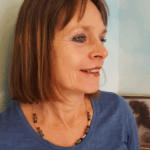
Ich möchte einen Vortrag halten, gefolgt von einer praktischen Sitzung.
Vortrag:
Erforschung, wie sich die Außerordentlichen Meridiane im Mutterleib entwickeln und wie sie die Erinnerung an unser Leben im Mutterleib bewahren. Ich habe die Außerordentlichen Meridiane in den 1990er Jahren entdeckt, als ich mit schwangeren Frauen arbeitete und lernte, die Entwicklung ihres Babys im Mutterleib zu verstehen. Ich habe den Namen meiner Tätigkeit „Wellmother“ beibehalten, weil ich nun die Auswirkung unserer ersten neun Monate auf den Rest unseres Lebens verstehe. Dies geschieht zum Teil durch die physische Entwicklung unseres Körpers und der Plazenta, aber auch durch die symbiotische Beziehung zwischen uns und unserer Mutter, die alle zukünftigen Beziehungen beeinflussen wird. Wir greifen auf unser Potenzial zu, indem wir uns mit dem Moment der Empfängnis verbinden, wenn wir nicht nur die beiden Ahnenlinien unserer Eltern, sondern auch das Universum aufnehmen. In der ersten Woche nach der Empfängnis sind wir vollständig und in uns abgeschlossen. Dies ist die transformierende Natur der acht Außerordentlichen Meridiane.
Praxis:
Erforschung der Unterschiede zwischen der Inneren und der Äußeren Familie der Außerordentlichen Meridiane durch praktische Übungen, um sie im eigenen Körper zu verstehen, insbesondere durch Verbindung mit den Bewegungen und Erfahrungen des Mutterleibs, und anschließende Shiatsu-Praxis, um zu erkunden, wie man während Shiatsu-Sitzungen mit ihnen arbeitet.
SUZANNE YATES
Suzanne Yates ist eine führende Expertin im Bereich Körperarbeit rund um Schwangerschaft und Geburt sowie der Außerordentlichen Meridiane der Traditionellen Chinesischen Medizin (TCM). Gründerin von Wellmother im Jahr 1990, hat Suzanne über 35 Jahre damit verbracht, einen ganzheitlichen Ansatz für alle Lebenszyklen von der Geburt bis zum Tod zu entwickeln, der Shiatsu, Massage, Bewegung und Visualisierung kombiniert. Sie hat weltweit Tausende von Praktiker:innen und Hebammen ausgebildet und ist Autorin von drei Büchern: Pregnancy and Childbirth: An Holistic Approach to Massage and Bodywork, Beautiful Birth und Shiatsu for Midwives. Suzanne bietet Präsenz- und Online-Kurse an, teilt ihre Erkenntnisse über ihren YouTube-Kanal und arbeitet aktuell an einem neuen Buch darüber, wie die Außerordentlichen Meridiane die Gesundheit in jeder Lebensphase unterstützen.
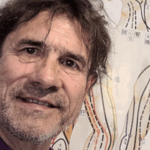
Workshop: Theorie und Praxis, 2 StundenSprachen: Italienisch, Grundkenntnisse in Englisch und FranzösischDurchführung: allein
Theorie:
Shiatsu betrachtet die Realität, mit der es in Beziehung steht, ganzheitlich. Uke ist die empfangende Einheit, Tori die ausübende Einheit.
Das Symptom ist eine Einladung zur Veränderung. Persönliche Geschichten sind immer implizit, können unbewusst sein, sind aber niemals vom Symptom getrennt.
Energie ist in jedem Moment in begrenzter, optimaler oder übermäßiger Menge vorhanden.
Das Leben ist immer präsent. Es kann nur durch Lebensstil, Verhalten, Gedanken und Glaubenssätze eingeschränkt werden.
Das Leben ist wie Gras, zerbrechlich, wenn der Wind stark weht, kraftvoll, wenn es das Licht sucht und durch den Asphalt bricht, aufregend, wenn man es genau betrachtet, heilig, wenn man es von innen lebt, unendlich, wenn man in ihm ruht. – R.V.L.
Shiatsu und Bewusstheit können sich mit dem Leben verbünden und in die Behandlung integriert werden, indem sie im Hier und Jetzt verwurzeln, mit Kraft, Respekt und Heiligkeit die Energie stärken, die Uke auf dem Weg zu sich selbst trägt. Ein Uke, der eine harmonischere, authentischere Sicht auf das eigene Dasein aufrechterhalten und zugleich die unnötige Anstrengung eines zerstreuten Anderswo zurückgewinnen kann.
Praxis:
Den Leereweg gehen, Respekt üben, Vertrauen praktizieren, Zuhören, Beobachten, sich mit dem Prozess verbünden. Fühlen, Denken, Handeln. Lebendige Mandalas. Die fünf Elemente sind tatsächlich die Grundbausteine des menschlichen Systems.
Jenseits der Bühne, jenseits des Lichts, im Herzen des Lebens selbst lassen sie sich in energetische Qualitäten, Naturausdrücke, Archetypen, Prinzipien, Qualitäten oder Essenzen, Kräfte oder Spiegel übersetzen, in denen man das eigene und das fremde Dasein tief beobachten kann.
Der Mensch hat sich in seinem innersten Wesen und in seinen Grundstrukturen nicht verändert.
Der Mensch ist der größte Champion seiner Existenz, wenn er die Unermesslichkeit in sich erkennt, sich jenseits seiner selbst wiederfindet, seinen Platz in der Welt findet und den Sinn seiner Existenz entdeckt. Er wird sich auf seinem Weg fühlen, den zu gehenden Weg verstehen und die Kraft haben, ihn zu beschreiten.
Ist das Feld einmal aufgebaut, wird die Shiatsu-Behandlung sich mit dem Prozess verbünden und das Leben unterstützen.
ROBERTO VITTORIO LAZZARO
Geboren am 14.03.1956 in Huddersfield (GB)
Email: robysamurai@gmail.com
Telefon: +39 331 746 7255
Shiatsu-Ausbildung:
ISS Internationale Shiatsu Schule Padua 1991–1997
ISS Kiental 1994
Bedeutende Lehrer:
Saul Goodman, Wilfried Rappeneker, Attilio Somenzi, Claudia Beretta
Derzeit:
Shiatsu-Praktiker und Lehrer, pädagogischer Leiter der Decima Luna Shiatsu Schule. Verantwortlich für den vierjährigen Kurs.
Funktionen bei FISIeO:
Zuvor: Regionalleiter, CE Probiviro
Derzeit: Prüfungskommission, Kulturinstitut, CST Konferenz
Psychologe für Psychologie und Humanwissenschaften, Dozent für Biotransenergetik, transpersonaler Berater, Counselor Trainer.
Derzeit verantwortlich für den vierjährigen Kurs in Transpersonalem Counseling mit Biotransenergetischer Methodik, Om Padova, ITI (International Transpersonal Institute).
Tätig als Shiatsu-Praktiker und Psychologe in seiner Praxis in Piazza Europa 32, Noventa Padovana.
Student im dritten Jahr der Universität Bologna, Fakultät für Anthropologie.
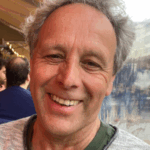
Im Shiatsu glauben wir oft, dass wir „“etwas suchen““ müssen – Blockaden, Verspannungen,
Ungleichgewichte. Doch was geschieht, wenn wir unsere Aufmerksamkeit vom Suchen auf
das Finden verlagern? In diesem Workshop lade ich dazu ein, Shiatsu aus einer Perspekive
des achtsamen Lauschens neu zu erleben.
Die Erfahrung hat mir gezeigt, dass die tiefste Begegnung im Shiatsu nicht durch gezielte
Suche, sondern durch offenes, urteilsfreies Wahrnehmen entsteht. Dem Leben beim
Lebendigsein zu lauschen bedeutet, in bewusster Präsenz dem inneren Fluss des Anderen
Raum zu geben. Wir richten unsere Aufmerksamkeit auf das, was bereits da ist und was sich
zeigen möchte, stag es aktiv herbeizuführen.
Um diese Haltung klar und greifbar zu machen, erläutere ich ihre Bedeutung mithilfe der
systemischen Theorie. Diese betrachtet den Menschen als lebendiges System, dessen
Selbstregulaion sich durch wertfreies Beobachten und achtsames Begleiten entfalten kann.
Wir erfahren, dass das Leben im Anderen stets präsent ist und darauf wartet, erkannt und
angenommen zu werden.
Der praktische Teil des Workshops bietet konkrete Übungen, in denen die Teilnehmenden
erleben können, wie durch bewusstes Lauschen neue Begegnungen und
Berührungsqualitäten entstehen. Die Übungen dienen dazu, die Fähigkeit zu verfeinern,
subtile Lebensimpulse wahrzunehmen und sie zu unterstützen, ohne manipulativ
einzugreifen.
Ziel des Workshops ist es, Shiatsu-Praktizierenden neue Impulse für ihre Arbeit zu geben, sie
im Vertrauen auf ihre Wahrnehmung zu stärken und ihnen zu ermöglichen, tiefer in die
Begegnung mit ihren Klientinnen und Klienten einzutauchen. Denn die eigentliche Kunst liegt
nicht im Finden dessen, was fehlt, sondern im Lauschen und Anerkennen dessen, was
lebendig und vorhanden ist. „Komm wir finden einen Schatz:“ (Janosch)
FRANK SEEMAN
Frank Seemann, Bonn, # 1956
Shiatsu-Ausbildung in New York bei Wataru Ohashi. Seit 1991 eigene Shiatsu-Praxis in Bonn,
1995 Shiatsu-Lehrer GSD. 1994 – 2000 regelmäßig Assistent von Ohashi. 2001 Leitung des
„ISOM Institut für Shiatsu in Bonn/Wiesbaden“. Vorstandsmitglied / Vorstandsvorsitzender
der GesellschaW für Shiatsu in Deutschland (GSD) 2002 – 2023. Hauptberuflich zuletzt
Mitarbeiter am Institut für Südostasienwissenschaft Uni Bonn. Verheiratet, drei erwachsene
Töchter.
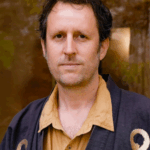
Die eigene Präsenz ist ein wesentlicher Bestandteil der therapeutischen Arbeit im Shiatsu – sowohl für uns als Behandelnde als auch für das gesamte Setting für die Klient:innen. Resonanz dient dabei als Zugang zur Wahrnehmung und zum Wirken. Um professionell handeln zu können, ist es notwendig, sich regelmäßig selbst zu regulieren.
In diesem Workshop gibt Steven Einblicke in seine Erfahrungen mit dem Thema Selbstregulation. Ziel ist es, gemeinsam Strategien zu entwickeln, um einschränkende Muster, die im Kontakt mit Klient:innen oder äusseren Stressfaktoren entstehen können, zu erkennen und aufzulösen.
Der Workshop bietet Raum für fachlichen Austausch über den bewussten Umgang mit innerer Stabilität in herausfordernden Situationen.
Wie kann es gelingen, auch unter Stress fokussiert und handlungsfähig zu bleiben?
STEVEN GRÜTTER
Steven Grütter ist Dozent an der Internationalen Shiatsu Schule Kiental und Fackelträger des Europäischen Shiatsu Kongresses. Er unterrichtet Shiatsu sowie gesunde und heilende Naturküche.
Seine innere Ausrichtung entdeckte er bereits in jungen Jahren durch intensives Tai-Chi-Training. Seine Leidenschaft für das Kochen führte ihn mit dem Projekt Solar Impulse rund um die Welt – parallel war er als Shiatsu-Therapeut tätig.
In seiner Praxis arbeitet er bewusst mit der Wahrnehmung der inneren Ausrichtung. Dieses Wissen vermittelt er auf klare und zugängliche Weise in seinen Weiterbildungen.
Darüber hinaus ist Steven Grütter Mitbegründer von Tennis Champagne sowie Mitinitiator und Vorstandsmitglied von Terrain Gurzelen, wo er auch das Ressort Gästesektor verantwortet.
Er ist Vater einer Tochter und lebt in Biel.
Eine Shiatsu Clinic besteht aus der Demonstration einer Shiatsu-Behandlung, die an einer Person durchgeführt wird, die nicht am Kongress teilnimmt.
In jeder Clinic nehmen zwei Praktikerinnen teil, die ihre Behandlung nacheinander durchführen.
Vor Beginn der Behandlung gibt jeder Praktikerin eine kurze Beschreibung seines/ihres Stils. Während der Behandlung können sie ihre Arbeit kommentieren, sofern dies die Behandlung selbst nicht beeinträchtigt.
Am Ende der Sitzung kann der/die Praktikerin seinen/ihren Ansatz bei Bedarf näher erläutern.
Den Teilnehmenden steht anschließend die Möglichkeit offen, Fragen zu stellen, Kommentare abzugeben oder Zweifel zu äußern.
Eine Shiatsu Clinic besteht aus der Demonstration einer Shiatsu-Behandlung, die an einer Person durchgeführt wird, die nicht am Kongress teilnimmt.
In jeder Clinic nehmen zwei Praktikerinnen teil, die ihre Behandlung nacheinander durchführen.
Vor Beginn der Behandlung gibt jeder Praktikerin eine kurze Beschreibung seines/ihres Stils. Während der Behandlung können sie ihre Arbeit kommentieren, sofern dies die Behandlung selbst nicht beeinträchtigt.
Am Ende der Sitzung kann der/die Praktikerin seinen/ihren Ansatz bei Bedarf näher erläutern.
Den Teilnehmenden steht anschließend die Möglichkeit offen, Fragen zu stellen, Kommentare abzugeben oder Zweifel zu äußern.
Eine Shiatsu Clinic besteht aus der Demonstration einer Shiatsu-Behandlung, die an einer Person durchgeführt wird, die nicht am Kongress teilnimmt.
In jeder Clinic nehmen zwei Praktikerinnen teil, die ihre Behandlung nacheinander durchführen.
Vor Beginn der Behandlung gibt jeder Praktikerin eine kurze Beschreibung seines/ihres Stils. Während der Behandlung können sie ihre Arbeit kommentieren, sofern dies die Behandlung selbst nicht beeinträchtigt.
Am Ende der Sitzung kann der/die Praktikerin seinen/ihren Ansatz bei Bedarf näher erläutern.
Den Teilnehmenden steht anschließend die Möglichkeit offen, Fragen zu stellen, Kommentare abzugeben oder Zweifel zu äußern.
- Rom 2026
Shiatsu im Leben, für das Leben, mit dem Leben
Die außerordentlichen Gefäße sind ein äußerst kraftvolles und wertvolles Werkzeug in der Shiatsuarbeit. Vor allem sind sie unschätzbar wertvoll in Lebensumbruchsituationen wie z.B. in der Pubertät oder in Lebenskrisen, also immer, wenn es darum geht, dass man sich verliert und wieder bei sich ankommen will in seiner eigenen inneren Persönlichkeit und dass, was einen ausmacht. Dafür sind die außerordentlichen Gefäße sehr unterstützend, z.B. das Lenkergefäß: Gefäß der Aufrichtigkeit und Authentizität, das Gefäß der Bemutterung, der Bindungsfähigkeit und darin schwingen schon die Aufgaben, die uns alle betreffen: wie stehe ich zu mir und wie stehe ich in Bindung zu mir?
Ich biete in den drei Stunden einen Einblick in die Geschichte, die Theorie und Praxis der außerordentlichen Gefäße an und werde ein Gefäß intensiver vorstellen und anschließend eine Meditation des Himmlischen Kreislaufs machen.
- Überblick über Geschichte, Theorie und Praxis der außerordentlichen Gefäße
- Fokus Lenkergefäß, direkt übertragbar in die Praxis
- Meditation Himmlischer Kreislauf zum selbst Praktizieren
Katrin Schröder, Berlin
www.esi-shiatsu.de
KATRIN SCHRÖDER
Jahrgang 1962
Shiatsu Lehrerin und Praktikerin seit über 27 Jahren
1997-2001 Ausbildung zur Shiatsu-Therapeutin in Berlin
Prägende Lehrerinnen und Ausbilderinnen waren Carola-Beresford Cooke und Sonja Moriceau, Großbritannien
Seit 2001 arbeite ich selbstständig als Shiatsu-Therapeutin in eigener Praxis für Energetische Heil- und Entwicklungsarbeit in Berlin
2006 Lehreranerkennung durch den Berufsverband GSD
Aus – und Weiterbildung in Energetischer Medizin, Emotionaler Prozess Begleitung (EPA), Hypnose, sowie Meridiantherapie bei Josef Victor Müller, Ben Shen Institut, Schweiz
Zudem ist die Lehrtätigkeit ein wichtiger Bestandteil meiner Arbeit:
Am Europäischen Shiatsu Institut (ESI) gebe ich mein Wissen über die „Heilende Kraft der Berührung“ in Seminaren im Rahmen der Shiatsu-Ausbildung weiter
Forschung und Lehrtätigkeit: Außerordentliche Gefäße, TCM, Transformational Shiatsu in Deutschland, Österreich und Schweiz
Wir zeigen, wie man Klienten dabei unterstützt, die Meridiane direkt durch Bewegungserkundungen zu erleben. Dies gibt den Klienten eine Möglichkeit, die energetischen Veränderungen aus der Shiatsu-Sitzung zu üben und zu verkörpern, und hilft ihnen zugleich, Verantwortung für ihre Gesundheit zu übernehmen. Die Arbeit basiert auf Bills Forschung zur kindlichen Entwicklung, die zeigte, dass die Meridiane die Bahnen sind, entlang derer Babys lernen, ihren Körper durch Bewegung zu verbinden.
Dieser Ansatz macht die Shiatsu-Sitzung interaktiver, spontaner und experimenteller und eröffnet dem Klienten ein neues Bewusstsein für sich selbst, sodass er sich von der Rolle des Opfers seiner Erkrankung, das gerettet werden muss, zu einem Entdecker entwickeln kann.
BILL PALMER
Bill Palmer & Teresa Hadland
Bill ist Direktor der School for Experiential Education (SEED) und war einer der Pioniere des Shiatsu in Europa in den 1970er Jahren. Er ist Mitbegründer der UK Shiatsu Society und des Journal of Shiatsu and Oriental Body Therapy.
Teresa unterrichtete Shiatsu auf Hochschulniveau an der Derby University und ist heute Senior-Tutorin bei SEED. Ihr gemeinsames Unterrichten erlaubt es, gleichzeitig die Perspektive des/der Therapeut:in und die aktive Rolle der Klient:innen zu zeigen.
Bills Forschung mit Säuglingen zeigte, wie Meridiane die Bewegungsentwicklung leiten und wie energetische Funktionen aus körperlicher Bewegung entstehen.
Aus dieser Arbeit entwickelte er Movement Shiatsu und Inner Qigong – Methoden, die Menschen dazu ermutigen, in ihrer Rolle als Klient:in aktiver und experimentierfreudiger zu sein – durch Bewegung, geführte innere Erkundung und Berührung.
Bill und Teresa unterrichten diese Disziplinen weltweit in zehn Ländern.
Shiatsu unterstützt das Leben – nicht nur bei Menschen, sondern auch bei den Tieren, mit denen wir leben, arbeiten und unser Leben teilen. Pferde und Hunde sind besonders berührungsempfindlich, und in dieser Präsentation werde ich erkunden, wie sie vom Shiatsu profitieren können und wie Shiatsu uns helfen kann, unsere vierbeinigen Freunde besser zu verstehen.
Die Sitzung betrachtet sowohl die Unterschiede als auch die Gemeinsamkeiten bei der Behandlung von Pferden und Hunden, einschließlich Aspekten der Anatomie, Bewegung und Verhaltensreaktionen. Am wichtigsten ist, dass Shiatsu immer mit dem Tier und nicht am Tier durchgeführt wird.
Ich werde praktische Einblicke geben, wie Therapeuten sicher und effektiv mit Pferden und Hunden arbeiten können, und ich zeige auch einfache Ansätze, die jeder zu Hause oder im Stall nutzen kann, um seine Tiere zu unterstützen.
Ziel ist es nicht, eine vollständige Ausbildung im Tier-Shiatsu zu bieten, sondern einen Raum für Diskussionen zu öffnen und inspirierende, praktische Ideen für den Alltag zu teilen. Die Teilnehmer werden entdecken, wie die Prinzipien, die sie bereits aus dem menschlichen Shiatsu kennen, in die Tierwelt übertragen werden – und wie diese Arbeit sowohl das Leben der Tiere bereichern als auch die Mensch-Tier-Beziehung vertiefen kann.
TIINA VIRTANEN
Tiina ist Shiatsu-Praktikerin für Menschen, Pferde und Hunde sowie Lehrerin für Pferde-Shiatsu.
Sie begann ihre Ausbildung an der Finnish Shiatsu School bei John Lewis und schloss diese 2014 ab. Anschließend setzte sie ihre Ausbildung in der Qi and the Body Shiatsu Method bei Galit Shaviv fort und qualifizierte sich 2019 als Clinical Shiatsu Therapist.
Immer bestrebt, mehr zu lernen und ihre Praxis zu vertiefen, erweitert Tiina kontinuierlich ihre Fähigkeiten und hat unter anderem weitere Kurse bei Rex Lassalle, Gabriella Poli und Philippe Vandenabeele besucht.
2016 schloss Tiina ihre Ausbildung als Pferde-Shiatsu-Praktikerin bei Liz Eddy ab, die sie bis heute als Mentorin begleitet. Sie ist außerdem eine der drei Gründerinnen der Finnish School of Equine Shiatsu, wo Liz als Gastlehrerin tätig ist.
Neben ihrer Shiatsu-Arbeit ist Tiina leidenschaftlich an Pferden interessiert und unterrichtet in ihrem zweiten Beruf Reiter, um ihnen zu helfen, bessere Reiter für ihre Pferde zu werden.“
Beschreibung des Workshops
Dieses Seminar ist als erfahrungsorientiertes und reflektierendes Labor konzipiert, das sich auf das Hado Shiatsu konzentriert – ein Ansatz, der die traditionelle Shiatsu-Praxis mit Elementen der Quantenfeldphysik verbindet. Dadurch entsteht eine Sichtweise des Kontakts als Resonanzphänomen, anstelle einer symptomorientierten Intervention.
Im Mittelpunkt steht das japanische Prinzip „uketoru“ – die Fähigkeit des Praktizierenden, Energie und Information aufzunehmen und anzuerkennen, wie sie sich in der Verbindung mit dem Empfangenden manifestieren.
Aus dieser Perspektive ist uketoru nicht nur ein Akt der Wahrnehmung, sondern die Schwelle zu einem kohärenten Beziehungsfeld, in dem sich vitalen Reaktionen des Organismus entfalten, sich selbst organisieren und auf spontane Ausgleichsprozesse hin ausrichten können.
Der Workshop wechselt zwischen Phasen theoretischer Grundlagen (wissenschaftlich fundiert und zugleich zugänglich), Demonstrationen, Partnerarbeit und gemeinsamen Reflexionsräumen. Die Teilnehmenden werden eingeladen, folgende Aspekte zu vertiefen:
- Die Modulation von Druck und Kontaktzeit in Verbindung mit der energetischen Einschätzung.
- Der Einsatz von neutraler Präsenz und der Aktivierung der integrierten Sinne als Werkzeuge zur Resonanz mit dem gesamten System des Empfangenden.
- Das Konzept der Lebensunterstützung als aufsteigende, kohärente Systemantwort, jenseits einer bloßen Symptombehandlung.
- Das quantenphysikalische Paradigma des Hado Shiatsu in der praktischen Anwendung: Vibration (Hado) ist hier keine theoretische Abstraktion, sondern ein messbares Vitalitätsmerkmal – spürbar im Kontakt, Atem und in der Beziehung. Dieser Aspekt des Ki trägt in sich die Qualität von Selbstheilung und die Orientierung auf einen tiefen Selbstrespekt. So entsteht auf natürliche Weise eine Resonanz zwischen den Schwingungen unseres Herzens und der Schönheit des Universums.
Lernziele
- Einführung in die Grundlagen des Hado Shiatsu als Lebensunterstützung durch Resonanz
- Vermittlung praktischer Werkzeuge für tiefes Zuhören (uketoru)
- Förderung der Wahrnehmungssensibilität in der körperlichen Beziehung
- Verständnis des kontemplativen und klinischen Aspekts von Berührung als Beziehung
Erforderliches Material
Beamer und Leinwand für Präsentationen, Flipchart, Marker, Futons und Kissen
PATRIZIA STEFANINI
Patrizia Stefanini praktiziert seit Anfang der 1980er-Jahre Yoga, Shiatsu und Aikido, kurz nach ihrem „cum laude“-Abschluss in Physik mit Spezialisierung auf medizinische Physik. Ihre Shiatsu-Ausbildung absolvierte sie u. a. bei Wataru Ohashi sowie über zwei Jahrzehnte lang bei Pauline Sasaki.
Um die wissenschaftlichen Grundlagen des Shiatsu und der östlichen Medizin weiter zu vertiefen, arbeitete sie ab 2005 mit dem International Institute of Biophysics (IIB) in Neuss (Deutschland), unter der Leitung von Fritz A. Popp, sowie über ein Jahrzehnt mit dem Physiker Emilio Del Giudice zusammen.
Sie ist Autorin zahlreicher populärwissenschaftlicher und akademischer Artikel sowie Mitautorin von Fachbüchern zur energetischen Medizin.
Einzigartig an ihrem Ansatz ist die Betrachtung des Menschen als quantenphysikalisches Makrosystem: Meridiane werden als quantendynamische Prozesse verstanden, und die therapeutische Shiatsu-Beziehung als empathische Resonanz zwischen Feldern.
Aktuell unterrichtet sie an ihren Schulen in Florenz und Mailand und gibt regelmäßig Vorträge und Seminare in Italien, Europa und den USA.
Sei-Ki ist der Name, den Akinobu Kishi Sensei seiner eigenen Ausdrucksform der manuellen Therapie gegeben hat.
Sei-Ki ist zugleich eine Weiterentwicklung seines Shiatsu und eine Rückkehr zu dessen Ursprung.
Was ist Ki?
Ki ist Resonanz – und genau darin liegt der Kern der Sei-Ki-Praxis: einfach im leeren Raum präsent zu sein, ohne etwas zu tun.
Das ist es, was uns zu dem macht, was wir sind. Was uns leuchten lässt. Was uns verbindet.
Der menschliche Körper besitzt eine natürliche Fähigkeit, sich in Richtung Gesundheit und Gleichgewicht zu bewegen.
Wenn diese Fähigkeit geschwächt ist, werden wir zu einem Schatten unseres Selbst.
Sei-Ki respektiert und arbeitet mit dieser angeborenen Fähigkeit.
So können wir unsere ursprüngliche Vitalität und Gesundheit wiederfinden.
Der Fokus im Sei-Ki liegt darauf, das natürliche innere Streben nach Balance zuzulassen und zu begleiten – und die Fähigkeit des Menschen zu stärken, sich mit dem Leben zu verbinden und seine individuellen Talente voll auszudrücken.
Kishi Sensei forderte die Praktizierenden auf, erlernte Techniken loszulassen und dem Klienten im gegenwärtigen Moment zu begegnen – mit einem Zustand des „leeren Geistes“ (No-Mind), der es der natürlichen Intelligenz des Körpers ermöglicht, sich zu zeigen.
So ist es die Ki-Resonanz, die in der Begegnung entsteht, welche die Sitzung spontan und intuitiv leitet.
Ich werde versuchen, diese Erfahrung mit euch zu teilen.
KYOKO KISHI
Kyoko Kishi lebt in Maebashi, Japan.
Als ehemalige Kimono-Meisterin ist sie tief in der japanischen Kultur verwurzelt.
Viele Jahrzehnte lang begleitete sie ihren Ehemann Akinobu Kishi, den Begründer des Sei-Ki, als Assistentin. Gemeinsam unterrichteten sie weltweit in Workshops.
Seit 2012 führt Kyoko das Erbe ihres Mannes weiter.
Sie hat einen eigenen, einzigartigen Stil des Sei-Ki entwickelt, den sie mit viel Herz und Hingabe weitergibt.
Die Meridiane als Lebensfunktionen, wie wir sie kennen, sind Masunagas Perspektive.
Er entwickelte eine einzigartige Meridian-Theorie, in der er die Wirkung und den Ausdruck des Ki beschrieb. Dabei nutzte er die Amöbe als Modell, um die Lebensfunktionen und Grundbedürfnisse des Menschen darzustellen.
Dies war nicht nur theoretisches Wissen, sondern konkrete Lebensbewegungen, die wir während der Behandlung fühlen, berühren und bewegen – auch in uns selbst. Sie in die Meridianarbeit einbeziehen zu können, ist eine große Bereicherung und hilft, den Ausdruck des Ki bei Menschen zu verstehen.
Wir werden die verschiedenen Meridiane als Amöben erleben, um mit dem Körper zu erfahren, was Masunaga meinte und dabei Spaß haben.
Pia Staniek ist ausgebildete Physiotherapeutin und widmet sich seit 1979 dem Shiatsu. Als Mitbegründerin und Dozentin des ESI (Europäisches Shiatsu-Institut) spielte sie eine entscheidende Rolle bei der Entwicklung des Lehrplans des Instituts. Im Laufe der Jahre bereicherte sie ihre Sichtweise und Praxis durch Feldenkrais, Atemarbeit, Seiki und Butoh-Tanz. Sie lebt und arbeitet mit Shiatsu in München.
„Tiefe Berührung und Achtsamkeit sind die nährenden Bestandteile des Shiatsu“, betont sie. Und sie fügt hinzu: „Mich interessiert der befreiende Prozess, durch den sich das Leben in einer Person entfaltet, und wie Vertrauen in die eigene, innere, ursprüngliche Natur wiederentdeckt werden kann.““
Andreana Spinola begann 1973 als Rehabilitations-Therapeutin damit, Menschen dabei zu helfen, ihre Beweglichkeit und Lebenskompetenz zu verbessern. Ab 1992 begleitete sie Menschen in schwierigen Lebensphasen als Shiatsu-Praktikerin.
Sie arbeitete mit Kindern mit Behinderungen und später mit Shiatsu im Krankenhaus mit Patient:innen unterschiedlichster Art. Dabei sammelte sie wertvolle Erfahrungen in der Begleitung und im Zuhören – mit Frühgeborenen, älteren Menschen, Intensivpatient:innen, Kindern, chirurgischen Patient:innen und Menschen mit schweren Syndromen wie Colitis ulcerosa oder Morbus Crohn.
Ergänzend zu diesen Erfahrungen im Krankenhaus mit Menschen die krank waren, arbeitete sie mit mittlerweile über 900 Klient:innen, die ihre Shiatsu-Praxis wegen verschiedenster Unstimmigkeiten aufsuchten.
Shiatsu ist und bleibt ihre Leidenschaft und ihr hauptsächliches Interesse – und mit der Zeit wurde ihr „Wirken“ und „Intervenieren“ immer klarer und einfacher.
1999 gründete sie in Rom die Shiatsu-Schule Igea.
1992 veröffentlichte sie eine Pionierarbeit über 30 frühgeborene Babys, die im Krankenhaus mit Shiatsu behandelt wurden.
2017 erschien ihr Buch „Shiatsu, das Leben und die Meridiane – Eine energetisch-philosophische Ressource“ bei NOI Edizioni.
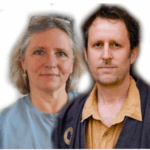
Wenn Menschen mit Beschwerden zu uns kommen ist es sehr häufig schon wertvoll, ihnen die Aufmerksamkeit zu schenken, dass sie genau so, wie sie gerade vor uns sind, genau richtig sind. Manchmal schwer zu fassen, bei den was Menschen an Schmerzen in sich tragen können ob physisch oder psychisch. Dennoch ist unsere Beobachtung, dass ihre Stärken, Potentiale und Schönheiten häufig in sehr engem Zusammenhang mit den Bereichen stehen, die sie gerade zu blockieren scheinen. Sowohl im Gespräch als auch in der physischen Shiatsu-Berührung sich auf den Weg zu machen, dies unseren Klienten zugänglich zu machen – wie scheinbare Schwächen und Beschwerden auch aus den Stärken, die zuweilen überbeansprucht werden – und das mit gutem Grund – ist eine Möglichkeit mit Menschen zu arbeiten, die weg leitet von Beseitigung
BIRTE ERNESTUS-HOLTKAMP
Shiatsu begeistert mich wegen seiner Vielfalt und Verbindung – von Strukturen in uns, was dies mit emotionalem Erleben zu tun hat und was auf mich ein und in mir wirkt.
Die Ausbildung bei dem Team von Wilfried Rappenecker, Meike Kockrick, Jürgen Westhoff uvm zu durchlaufen hat mich sehr berührt, für Shiatsu begeistert, sodass ich nach 6 Jahren Assistenz selber dazu kam Shiatsu an Interessierte weiter zu geben, und seit 2017 die Schule für Shiatsu Hamburg als Leiterin des Teams übernommen habe
Die Begegnung im Shiatsu ist eine der authentischsten die ich kenne.
Meine Neugier freut sich, andere Begegnungs- und Behandlungsformen kennen zu lernen – wie Craniosacral-Therapie, Faszien-Medizin und ein wenig mehr – jedoch bleibt meine Faszination im Shiatsu, und meine Kreativität findet immer wieder Wege und Verbindungen zu den Disziplinen. Dies mit den Teilnehmenden meiner Kurse zu teilen und zu erforschen bereichert mich immer wieder.
Steven Grütter ist Dozent an der Internationalen Shiatsu Schule Kiental und Fackelträger des Europäischen Shiatsu Kongresses. Er unterrichtet Shiatsu sowie gesunde und heilende Naturküche.
Seine innere Ausrichtung entdeckte er bereits in jungen Jahren durch intensives Tai-Chi-Training. Seine Leidenschaft für das Kochen führte ihn mit dem Projekt Solar Impulse rund um die Welt – parallel war er als Shiatsu-Therapeut tätig.
In seiner Praxis arbeitet er bewusst mit der Wahrnehmung der inneren Ausrichtung. Dieses Wissen vermittelt er auf klare und zugängliche Weise in seinen Weiterbildungen.
Darüber hinaus ist Steven Grütter Mitbegründer von Tennis Champagne sowie Mitinitiator und Vorstandsmitglied von Terrain Gurzelen, wo er auch das Ressort Gästesektor verantwortet.
Er ist Vater einer Tochter und lebt in Biel.
Ich möchte einen Vortrag halten, gefolgt von einer praktischen Sitzung.
Vortrag:
Erforschung, wie sich die Außerordentlichen Meridiane im Mutterleib entwickeln und wie sie die Erinnerung an unser Leben im Mutterleib bewahren. Ich habe die Außerordentlichen Meridiane in den 1990er Jahren entdeckt, als ich mit schwangeren Frauen arbeitete und lernte, die Entwicklung ihres Babys im Mutterleib zu verstehen. Ich habe den Namen meiner Tätigkeit „Wellmother“ beibehalten, weil ich nun die Auswirkung unserer ersten neun Monate auf den Rest unseres Lebens verstehe. Dies geschieht zum Teil durch die physische Entwicklung unseres Körpers und der Plazenta, aber auch durch die symbiotische Beziehung zwischen uns und unserer Mutter, die alle zukünftigen Beziehungen beeinflussen wird. Wir greifen auf unser Potenzial zu, indem wir uns mit dem Moment der Empfängnis verbinden, wenn wir nicht nur die beiden Ahnenlinien unserer Eltern, sondern auch das Universum aufnehmen. In der ersten Woche nach der Empfängnis sind wir vollständig und in uns abgeschlossen. Dies ist die transformierende Natur der acht Außerordentlichen Meridiane.
Praxis:
Erforschung der Unterschiede zwischen der Inneren und der Äußeren Familie der Außerordentlichen Meridiane durch praktische Übungen, um sie im eigenen Körper zu verstehen, insbesondere durch Verbindung mit den Bewegungen und Erfahrungen des Mutterleibs, und anschließende Shiatsu-Praxis, um zu erkunden, wie man während Shiatsu-Sitzungen mit ihnen arbeitet.
SUZANNE YATES
Suzanne Yates ist eine führende Expertin im Bereich Körperarbeit rund um Schwangerschaft und Geburt sowie der Außerordentlichen Meridiane der Traditionellen Chinesischen Medizin (TCM). Gründerin von Wellmother im Jahr 1990, hat Suzanne über 35 Jahre damit verbracht, einen ganzheitlichen Ansatz für alle Lebenszyklen von der Geburt bis zum Tod zu entwickeln, der Shiatsu, Massage, Bewegung und Visualisierung kombiniert. Sie hat weltweit Tausende von Praktiker:innen und Hebammen ausgebildet und ist Autorin von drei Büchern: Pregnancy and Childbirth: An Holistic Approach to Massage and Bodywork, Beautiful Birth und Shiatsu for Midwives. Suzanne bietet Präsenz- und Online-Kurse an, teilt ihre Erkenntnisse über ihren YouTube-Kanal und arbeitet aktuell an einem neuen Buch darüber, wie die Außerordentlichen Meridiane die Gesundheit in jeder Lebensphase unterstützen.
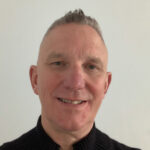
Masunaga beschrieb die Verbindung, die wir im Shiatsu erleben, mit dem Teilen des „Echos des Lebens“.
In diesem praxisorientierten Workshop erforschen wir, wie wir diese Verbindung maximieren können, um die positive Lebenskraft des Empfangenden bestmöglich zu unterstützen.
Wie können wir auf allen Ebenen besser mit unserem Klienten kommunizieren und gemeinsam mit ihm daran arbeiten, die Wirkung des Shiatsu zu optimieren und seinen persönlichen Nutzen daraus zu vertiefen?
In letzter Zeit hat Cliff mit Dr. Cindy Engel und Nick Pole zusammengearbeitet.
Cindys bahnbrechende Arbeit über somatische Empathie („Another Self – How Your Body Helps You Understand Others“) zeigt auf außergewöhnliche Weise, wie die präverbale, angeborene Intelligenz unseres Körpers uns hilft, zu „lesen“, was im Körper des Empfangenden geschieht.
Nick hingegen ist auf den Einsatz von Clean Language und Achtsamkeit spezialisiert, um Körper und Geist in einen Dialog zu bringen und somatische Veränderungen zu unterstützen („Words that Touch: How to Ask Questions Your Body Can Answer“).
Inspiriert durch diese Kooperationen zeigt Cliff, wie sich Erkenntnisse aus somatischer Empathie, Psychobiologie, Clean Language und Achtsamkeit in die energetische Shiatsu-Praxis integrieren lassen.
Gemeinsam werden wir erforschen, wie wir:
- Zugang zur positiven Bewegung des Ki finden – mit Hilfe der sogenannten „Outcome Question“
- unsere somatische Empathie entwickeln – durch Achtsamkeit
- Kyo und Jitsu mit dem gesamten Ki-Feld des Klienten verbinden
- praktische Techniken integrieren und die Wirkung von Tsubos evaluieren
CLIFF ANDREWS
Cliff begann sein Shiatsu-Studium 1981 am Brighton Natural Health Centre und gründete 1986 das Shiatsu College UK mit.
Im selben Jahr wurde er von Pauline Sasaki, nach der Teilnahme an ihren jährlichen Residenzseminaren im Vereinigten Königreich, eingeladen, als ihr Vollzeit-Schüler in die USA zu kommen.
1987 begann eine zwanzigjährige Zusammenarbeit mit ihr, in der er Masunagas Zen-Shiatsu-System weiterentwickelte – im Rahmen zahlreicher Workshops in Europa und den USA.
Während seiner über 30-jährigen internationalen Lehrtätigkeit wurde Cliff regelmäßig eingeladen, in Europa, den Vereinigten Staaten und Australien zu unterrichten.
Heute ist er halb im Ruhestand und betreibt eine Shiatsu-Praxis in Teilzeit in Norwich und Zürich.
Er leitet weiterhin das Projekt www.newenergywork.com, das zur weltweit größten Online-Lernplattform für Shiatsu geworden ist – mit fast 4.000 Mitgliedern und über 100.000 Kursteilnahmen.“
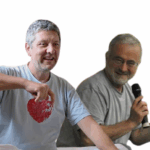
Zwischen Shiatsu, fernöstlicher Medizin und Yoga bestehen zahlreiche Gemeinsamkeiten – und insbesondere zwischen Masunagas Ansatz und dem Hatha Yoga lassen sich bedeutende Übereinstimmungen erkennen.
Das Keiraku Shiatsu – das Shiatsu der Meridiane – konzentriert sich auf die ganzheitliche Behandlung des gesamten Meridiansystems.
Die Existenz von Meridianen wird auch in der energetischen Physiologie des Yoga anerkannt, aus der viele Yoga-Praktiken schöpfen.
Sowohl das konzeptionelle Modell als auch die praktische Anwendung von Masunagas Shiatsu betonen stark das Dehnen von Muskelketten, um auf das Meridian-Netzwerk einzuwirken – eine Praxis, die sich ebenfalls im Yoga wiederfindet.
In diesem Beitrag vertiefen wir gezielt bestimmte Aspekte beider Disziplinen und untersuchen die zentralen Konvergenzpunkte zwischen Masunaga Senseis Zen-Bewegungsbildmodellen und den Modellen führender Hatha-Yoga-Schulen.
Ein weiterer Fokus liegt auf der Verbindung zwischen Meridianen, Muskulatur sowie oberflächlicher und tiefer Faszie. Dieses Bindegewebe – möglicherweise das größte „Organ“ des Körpers – ermöglicht es, ein Modell der „Faszien-Muskel-Organ-Meridian“-Beziehung zu definieren.
Wir werden bestimmte Asanas in ihrer Verbindung zu den Meridianen erforschen und die richtige Ausführung einsetzen, um gezielt die tiefe Faszie zu aktivieren und so die Verbindung zu inneren Organen und dem Viszeralsystem herzustellen.
Nach einem einleitenden Vortrag folgt eine praktische Shiatsu-Einheit zu den behandelten Themen sowie eine Einführung in Pranayama-Übungen, deren Ziel es ist, den freien Fluss des Ki zu harmonisieren – durch das Ausbalancieren der Nadis, wie sie im Yoga beschrieben werden.
So erleben wir die Asanas im Zusammenhang mit den Meridianen, in einer Ausführung, die gezielt auf das tiefe Fasziensystem wirkt und energetisch mit den Organen in Resonanz tritt.
Massimo Cantara
Geboren in Poggibonsi (SI) am 15.04.1964
Abitur im sozial-pädagogischen Bereich
A-Level in Musik am Lewisham College London
8. Grad mit Auszeichnung (142/150) in Schlagzeug und Perkussion an der London Guildhall School of Music and Drama
Massimo ist Yogalehrer mit über 500 Ausbildungsstunden und besitzt ein 300-Stunden-Diplom in Yoga-Therapie der International Vasistha Yoga Research Foundation (Indien). Er unterrichtet seit 2010 Yoga in seinem eigenen Zentrum in Italien und ist Gründungsmitglied von „Three Treasures Yoga“, einer internationalen Ausbildungs-schule.
Er ist seit 1992 professioneller Praktiker in Bio-Natur-Disziplinen und Shiatsu-Lehrer. 1999 gründete er das Holismos Zentrum für Gesundheitskünste, ein Zentrum zur Förderung und Praxis von Bio-Natur-Disziplinen, darunter Yoga, dessen Direktor er ist. Massimo ist seit über 30 Jahren Shiatsu-Praktiker und Lehrer und hat zudem Diplome in Kinesiologie und Cranio-Sacral-Therapie.
2016 gründete er zusammen mit Sara Della Torre das neue Holismos Yoga und Wellness Center in Varese. Er arbeitet mit verschiedenen Ausbildungs-kursen zusammen und bringt dabei sein spezielles Wissen in Anatomie und Physiologie ein.
Massimo studierte 12 Jahre Shorinji Kempo (eine japanische buddhistische Kampfkunst) bei Sensei Tameo Mizuno in London, Italien und Japan (2. Dan). Seine erste Leidenschaft war jedoch schon in der Jugend die Musik. Er spielte in zahlreichen Bands in Italien und Großbritannien und gab Hunderte Konzerte in Europa und Lateinamerika. Heute gilt sein Hauptinteresse dem Studium von Klang, Schwingungen und deren Wirkung auf Gesundheit, Leben und Entwicklung.
Er war Dozent in Kursen für sozialmedizinische Fachkräfte (Gemeinschaftsanimatoren), die von der EU finanziert wurden, und nahm maßgeblich am Projekt „Krankenhaus ohne Schmerz“ der ASL 7 in den Krankenhäusern von Poggibonsi und Nottola (Montepulciano) teil, wo er von 2003 bis 2007 über 360 Stunden Unterricht gab und Pflegekräfte im Umgang mit Schmerzbehandlung durch integrierte manuelle Techniken ausbildete.
Für die Italienische Shiatsu Föderation hatte er Ämter als Regionalvertreter, Vorstandsmitglied und Mitglied der Prüfungskommission inne.
2024 eröffnete er zusammen mit drei Kollegen das „Mediterranean Retreats Center“, ein Rückzugszentrum auf der Insel Lesbos, Griechenland, wo er sechs Monate im Jahr lebt.
2021 veröffentlichte er seine erste Solo-CD mit dem Titel „Elemental World“ beim Label Holismos und sein Buch „Krankenhaus ohne Schmerz – Bio-Natur-Techniken im Krankenhauskontext“ bei Epigraphia Edizioni, das inzwischen auch auf Englisch bei Amazon erhältlich ist.
Maurizio Parini
Er begann sein Shiatsu-Studium 1981 bei Mario Vatrini. Als Rehabilitationstherapeut ist er Absolvent des Zentrums für Fort- und Weiterbildung in Manueller Therapie.
Er war Präsident der Italienischen Shiatsu-Föderation (FIS) und ist derzeit in der FISieo als Leiter des Evaluationsbereichs sowie Teil der Geschäftsleitung aktiv.
Seit 1993 hält er regelmäßig Vorträge auf nationalen und internationalen Kongressen, organisiert von den bedeutendsten Shiatsu-Verbänden Italiens.
Sein besonderes Interesse gilt der fernöstlichen Medizin – insbesondere der Moxibustion – sowie der Frage, wie sich Prinzipien der Traditionellen Chinesischen Medizin in der japanischen manuellen Praxis anwenden lassen.
Seit 1986 unterrichtet er an der Hakusha-Schule für Shiatsu und Moxibustion, wo er als pädagogischer Leiter der Standorte Mailand, Varese und Como tätig war.
Zusammen mit Dr. Corradin und Dr. Di Stanislao ist er Mitautor des Werks „Medicina Tradizionale Cinese per lo Shiatsu ed il Tuina“ und hat am Buch „Visceri e Meridiani Curiosi““ mitgewirkt.
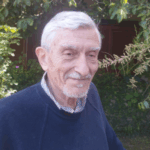
„Wir Menschen wurden an die Grenze zwischen dem Sichtbaren und dem Unsichtbaren gesetzt, zwischen dem Endlichen und dem Unendlichen, zwischen der Zeit und der Ewigkeit.“
So schrieben die Wüstenväter im Jahr 300 nach Christus.
„Folge ich dem Wissen, wachse ich Tag für Tag. Folge ich dem Tao, reduziere ich mich Tag für Tag, reduziere mich, reduziere mich, reduziere mich, bis ich zum Nicht-Handeln gelange. Und durch das Nicht-Handeln bleibt nichts unvollendet.“ Das lesen wir im Tao Te Ching.
Dieser Vers drückt im Grunde denselben Gedanken aus – mit anderen Worten und zahlreichen weiteren Implikationen.
Wir Menschen können, wenn wir allein dem Wissen folgen, leben und handeln in Bezug auf das Sichtbare, das Endliche und die Zeit. Aber wir können uns auch mit dem Tao verbinden, mit dem Unsichtbaren, dem Unendlichen und der Ewigkeit – und die Folgen für unser Leben werden andere sein.
Nach der anerkanntesten wissenschaftlichen Theorie entstand alles Existierende mit dem Urknall. In diesem winzigen Punkt vor der Explosion war das gesamte Universum – oder die Universen – enthalten, einschließlich uns Menschen.
Genau genommen kann man nicht einmal „vor der Explosion“ sagen, denn Raum und Zeit entstanden erst mit dem Urknall. Davor gab es das Unendliche, das Ewige, das Unsichtbare.
Und wir Menschen waren Teil dieses Unendlichen, dieser Ewigkeit, und in ihrer Unsichtbarkeit waren wir potenziell bereits enthalten.
Wir leben in jedem Moment in diesen beiden Naturen.
Shiatsu, das das Leben „berührt“, kann diese Realität nur widerspiegeln – was vieles in unserer Praxis erklärt.
Ein theoretisches Bewusstsein über unsere menschliche Natur hilft uns, Shiatsu richtig auszuüben, sein ganzes Potenzial zu nutzen, ohne uns allein von Rationalität oder allein von Emotionen leiten zu lassen.
Im Workshop werden wir durch theoretische Erläuterungen und durch Erfahrungsübungen (geführte Meditation) versuchen, beide Realitäten in uns zu berühren, um unser Bewusstsein zu vertiefen und dies auf einfache und friedvolle Weise in unser Shiatsu zu bringen.
Wenn die Zeit es erlaubt, können wir auch erkunden:
„Die blaue Seite des Shiatsu“
Es heißt, dass die Afroamerikaner im Blues ihre Sehnsucht nach ihrer verlorenen Heimat, nach dem Zuhause, aus dem sie herausgerissen wurden, sangen – und immer noch singen.
Tatsächlich ist es eine typische Eigenschaft des Blues, genau diese Gefühle auszudrücken: Melancholie und Sehnsucht.
Auch wir tragen alle eine „blaue Seite“ in uns: die Sehnsucht nach dem Ort, aus dem wir stammen.
Dieses Gefühl in uns, ist wie der Finger, der in der Zen-Tradition auf den Mond zeigt.
Wenn wir uns bewusst mit dieser blauen Seite verbinden, erkennen wir den tieferen Sinn unseres Seins – wir werden nicht Sklaven der Emotion, sondern sehen den Mond, auf den sie verweist.
Dies kann im Shiatsu auch dem Empfangenden geschehen: Die Erfahrung einer heilenden Energie.“
GIUSEPPE MONTANINI
Seit etwa 35 Jahren praktiziert und unterrichtet er Shiatsu.
Er lernte von: Akinobu Kishi, Ohashi, ESI, Saul Goodman, Pauline Sasaki, Kyoko Kishi, Thich Nhat Hanh, José Rejes und Katiuska Ortega.
Er war Präsident der Italienischen Shiatsu-Föderation und der FISieo und hat sich über viele Jahre für die Anerkennung und Verbreitung von Shiatsu in Italien und Europa eingesetzt.
Als er Shiatsu entdeckte, war er beeindruckt und fasziniert davon, wie diese Disziplin sich dazu anbietet, über konkrete und praktische Umsetzung die taoistische und buddhistische Philosophie für die Pflege von Menschen anzuwenden.
Wie Masunaga schrieb: „Durch einfachen Druck im Shiatsu erkennt man nicht das Lebendige dessen, was man berührt. Ohne das Verständnis der östlichen Philosophie kann man den Sinn des Lebens nicht erfassen – und wird Shiatsu falsch praktizieren.“
Daher hat er das Studium und die Praxis von Shiatsu stets mit dem Studium und der Praxis von Buddhismus, Taoismus und Christentum verbunden.
In allen „energetischen“ Techniken wurde festgestellt, dass der Organismus im Prozess der Selbstheilung ungelöste und chronisch gewordene disharmonische Zustände reaktiviert, um sie neu zu verarbeiten und dadurch ein besseres Gleichgewicht aufzubauen.
Im Shiatsu wurde der Prozess der „falschen Verschlimmerung“ von Shizuto Masunaga im letzten Jahrhundert, Anfang der 1970er Jahre, kurz mit dem japanischen Begriff men khen erwähnt. Leider führte dieser Hinweis nicht zu weiteren methodischen Vertiefungen.
In etwa 50 Jahren Erfahrung habe ich durch eine systematische Analyse der Reaktionen auf Shiatsu-Behandlungen festgestellt, dass es möglich ist, die selbstheilende Aktivität des Ki, die durch die „falsche Verschlimmerung“ angezeigt wird, zu erkennen. Dies geschieht nach Interpretationsmethoden, die mit dem Wissen der TCM übereinstimmen und durch eine spezifische Anwendung der Shiatsu-Technik unterstützt werden.
Die durch den Selbstheilungsprozess bestimmten Verhaltensweisen des Ki ermöglichen es, ein methodisches Interpretationsschema zu entwerfen. Dieses identifiziert das Auftreten der verschiedenen energetischen Bewegungen in der Selbstheilungsphase, gemäß den fortschreitenden Sequenzen der Ki-Aktivität – von den jüngsten Störungen bis hin zu den stärker chronifizierten und geschichteten.
Die Beobachtung der energetischen Struktur des Empfangenden erfolgt durch Gespräch, physiognomische Beobachtung und wahrnehmungsorientierte Analyse des Zustands der Meridiane und der energetischen Beurteilungsbereiche. Die gesammelten Daten werden in einer „Energetischen Achse“ organisiert, die die bedeutendsten Krisenphasen des Empfangenden sichtbar macht. Dies ermöglicht es, ein Bild des energetischen Zustands des Empfangenden zu erhalten, indem die Schichtung seiner disharmonischen Zustände sowie die Chronifizierung der energetischen Veränderungen der Fünf Bewegungen rekonstruiert werden.
Durch die Anwendung der Shiatsu-Behandlung im Einklang mit den spontanen Sequenzen der selbstheilenden Ki-Aktivität des Empfangenden vermeiden wir, dass sich die Behandlung – manchmal unbeabsichtigt willkürlich – mit dem überlagert, was das Ki des Empfangenden bereits tut, um gemäß seiner eigenen „Intelligenz“ das Gleichgewicht wiederherzustellen.
Darstellung von beispielhaften Fällen.
FABIO ZAGATO
Fabio Zagato: Shiatsu-Lehrer – MA in Psychologie – Doktor in Naturmedizin, Doktortitel in Klassischer Orientalischer Medizin. Er begann seine Shiatsu-Ausbildung 1974 bei Yuji Yahiro und setzte sie bei Michio Khushi, Margareta Mushi, Shizuko Yamamoto und anderen fort. Er war Gründungsmitglied und Präsident der FIS (Italienische Shiatsu-Föderation) von 1991 bis 1992 sowie des Kulturinstituts der FIS von 1994 bis 1997. Von 2000 bis 2011 war er Gründungsmitglied und Präsident der Nationalen Föderation der Shiatsu-Schulen (FNSS), die 2011 mit der FIS fusionierte und die FISIEO ins Leben rief. Von 2010 bis 2014 war er Präsident des italienischen Interverband für Gesundheitskünste (Interassociazione Arti per la Salute, IAS). Seit 1974 praktiziert er Buddhistische Meditation und erhielt 1986 von Meister J.E. Coleman die Erlaubnis, Vipassana-Meditation in der säkularen Theravada-Tradition von Sayagi U Ba Khin zu lehren. Derzeit ist er Präsident des Forschungsbereichs der FISIEO. Er ist Autor zahlreicher Bücher und Veröffentlichungen.
Die Heilige Geometrie ist der Bauplan der Schöpfung und der Ursprung aller Formen. Sie ist eine uralte Wissenschaft, die die Energiemuster erforscht und erklärt, welche alles erschaffen und vereinen, und die präzise aufzeigt, wie sich die Energie der Schöpfung organisiert.
Sie stellt die Schöpfung des Lebens selbst dar, die Manifestation der Harmonie aller Formen, sowohl im Mikrokosmos als auch im Makrokosmos.
Die Heilige Geometrie zeigt uns, dass alles aus einer Matrix, der einen und einzigen Quelle, stammt – auch die Menschen.
Auf jeder Ebene folgt jedes natürliche Wachstums- oder Bewegungsmuster unvermeidlich einer oder mehreren geometrischen Formen.
Durch das Studium der Natur dieser Formen und ihrer Beziehungen zueinander kann man Einblicke in die wissenschaftlichen, philosophischen, psychologischen, ästhetischen und mystischen Gesetze des Universums gewinnen.
Die Alten glaubten, dass die Erfahrung der Heiligen Geometrie wesentlich für die Bildung der Seele sei.
Die Entwürfe erhabener heiliger Stätten – von den prähistorischen Monumenten in Stonehenge und der Cheops-Pyramide in Gizeh bis hin zu den großen Kathedralen, Moscheen und Tempeln der Welt – beruhen auf denselben Prinzipien der Heiligen Geometrie.
Die Symbole der Heiligen Geometrie sind:
- Die Blume des Lebens
- Die Frucht des Lebens
- Der Baum des Lebens
- Der Metatron-Würfel
- Die platonischen Körper
- Der Torus
- Die Merkaba
Nicola wird vorstellen, wie man das Sterntetraeder oder die Merkaba verwendet. Diese einfache Technik hilft, Yin und Yang bzw. Himmel und Erde auszurichten, und kann leicht in jede Behandlung integriert werden! Diese Technik kann zu mehr Energie führen und wird den Empfangenden sicherlich ein stärkeres Gefühl von Ausgeglichenheit geben!
Gabriella wird zeigen, wie man die Frucht des Lebens in einer Shiatsu-Sitzung öffnet und wie man ihre hochfrequente Energie in die Berührung integriert, um die Empfangenden in ihrer Erfahrung der Verbindung mit der „Einheit“ zu unterstützen.
Nicola Ley (Pooley) – Bsc, BA, MA, PGCE, MRSS(T)
Nicola kam zu ihrem ersten Shiatsu-Kurs, weil sie dachte, es handele sich um eine Kampfkunst. Ihre Freundin besuchte Aikido, aber Nicola verliebte sich sofort in das Shiatsu. Das war 1978 in Tokio.
Sie ist eine der Mitbegründerinnen des Shiatsu College – gemeinsam mit Carola Beresford Cooke und Clifford Andrews. In den 1980er- und 1990er-Jahren lud das College regelmäßig Pauline Sasaki ein, deren Interpretation des Meridiansystems von Masunaga den Shiatsu-Unterricht in ganz Europa maßgeblich prägte.
Später studierte Nicola Quantum Shiatsu – Paulines neue Richtung – gemeinsam mit Gabriella Poli. Der frühe Tod von Pauline, der sie daran hinderte, ihre Arbeit vollständig zu entfalten, war ein großer Verlust.
Nicola ist Autorin des Buches „Shiatsu a step by step guide“, das zuvor unter dem Titel „Shiatsu in a Nutshell“ erschien. Derzeit arbeitet sie an einem neuen Buch über ihre persönlichen Erfahrungen mit dem Quantum Shiatsu.
Seit den frühen 1980er-Jahren praktiziert Nicola auch Qigong – eine Praxis, die sie liebt und die sich oft ganz natürlich mit ihrem Shiatsu verbindet.
Darüber hinaus hegt Nicola eine große Leidenschaft für Kräuter und Pflanzen. Deren Studium und Zeichnung sind ihr liebstes Hobby.
Gabriella Poli
Gabriella entdeckte Shiatsu 1986 und schloss ihre Ausbildung 1988 am Ohashi Institute in New York ab. 1990 gründete sie gemeinsam mit einem europäischen Team aus Lehrer:innen und Organisator:innen des Ohashi-Instituts das European Shiatsu Institute (ESI) und eröffnete im selben Jahr das Zentrum in Rom.
Seitdem vertieft und erweitert sie ihre berufliche Qualifikation durch Studien in Italien, Europa und den USA – unter anderem durch den Abschluss des Shin-Tai-Programms bei Saul Goodman.
Ab 1992 folgte sie mit Begeisterung und Dankbarkeit den Lehren von Pauline Sasaki und hatte von 2003 bis 2010 – dem Jahr von Paulines Tod – das Privileg, an einer kleinen Studiengruppe zum Advanced Quantum Shiatsu teilzunehmen.
Heute führt Gabriella ihre Shiatsu-Praxis in Rom und unterrichtet sowohl in Italien als auch in Europa Workshops zum Thema „Faszien und Shiatsu“ sowie einen Post-Diplom-Master über Quantum Shiatsu Evolution®.
Hoffnung und Wandel ins menschliche Leben bringen – mit Shiatsu
Wir leben in einer zutiefst traumatisierten Gesellschaft: Menschen leiden, sind nicht geerdet, aggressiv, vom eigenen Körper getrennt und ihr sympathisches Nervensystem ist überaktiv.
Der menschliche Körper ist ein mehrdimensionaler Generator, der verschiedene Dynamiken von „Angst“ oder „Sicherheit“ erzeugt – verwoben in einem feinen Netz, das alle menschlichen Sinneswahrnehmungen innen und außen zugänglich macht und verbindet.
Als Therapeut:innen verfügen wir über viele Fähigkeiten und können eine sanfte und bedeutungsvolle Praxis anwenden.
Unsere Absicht und Haltung der Fürsorge sind entscheidend – und ein resilientes Gegenüber zu werden, ist dabei ein zentraler Punkt.
Dieser Kurs zielt darauf ab, wirkungsvolle Fähigkeiten zu vermitteln, um Klient:innen sicher auf der Reise in ihren eigenen Körper zu begleiten.
Du wirst deinen „Werkzeugkasten für Trauma“ erweitern, Vertrauen und Selbstwirksamkeit stärken und dich selbst im Heilungsprozess mit Shiatsu unterstützen.
Die folgenden Themen geben einen Einblick in das, was wir gemeinsam entwickeln und erforschen werden:
- Die leisen Stimmen von Körper und Geist hören – mit den Fähigkeiten des Focusing
- Eine tiefere, stärkere und sicherere Beziehung zu sich selbst aufbauen
- Körperbasierte Techniken, um den Klienten auch bei der Arbeit zu Hause zu unterstützen
- Das autonome Nervensystem regulieren und zurücksetzen
- Chakren und Meridiane in der Neurophysiologie
- Resilienz aufbauen mit Shiatsu und dem Focusing-Prozess
Die Berührung im Shiatsu ist wie das sanfte Aufwecken aus einem Traum tiefer Trennung.
Wir schulen liebevoll das menschliche Wesen, einen besseren Seinszustand zu erschaffen.
Wir erlauben dem Regenbogen, sich in uns zu zeigen, um das vielschichtige menschliche System zu verarbeiten und auf eine neue Ebene aufsteigen zu lassen.
Und diese Reise geht in zwei Richtungen.
Ich kann nicht sagen „Werde Licht“, wenn ich nicht selbst Licht werde.
ANTIGONI TSEGELI
Antigoni Tsegeli ist Spezialistin für Schönheitsbehandlungen, Zen-Shiatsu-Praktikerin, Qigong-Lehrerin, Beauty-Expertin und Dozentin für ganzheitliches Wohlbefinden.
Bis 1996 praktizierte sie Kung Fu, bevor sie sich ganz den Heilungskünsten über das Shiatsu widmete.
Nach ihrer ersten Begegnung mit Shiatsu 1996 bei Maria Charlet und zehn Jahren mit regelmäßigen Aufenthalten in Brasilien, vertiefte sie kontinuierlich ihre persönliche Entwicklung und ihr Wissen durch Studien, Spezialisierungen und laufende Weiterbildungen.
Sie unterrichtet ganzheitliche Gesundheitspraktiken, kombiniert Shiatsu mit Focusing zur Arbeit mit Angst und Trauma, bietet Kurse zur persönlichen Entwicklung von Therapeut:innen an und leitet Workshops und Retreats auf der Insel Ägina.
Antigoni war neun Jahre lang Präsidentin der Hellenic Shiatsu Society und vertritt weiterhin Griechenland in der European Shiatsu Federation.
Ihr Motto lautet:
„Der Körper weiß, die Seele hört, der Geist lebt.“
Sie setzt sich für Harmonie und Ganzheit im Menschen ein.
Kiyindo Shiatsu®, wörtlich „Der Weg (Dō) der Energie (Ki) in der Tiefe (Yin)“, ist eine originelle, sowohl heilende als auch präventive Methode des Wohlbefindens. Mit seiner analgetischen Berührung löst es tief sitzende Muskel- und Gelenkverspannungen, aktiviert die Selbstheilungskräfte des Körpers und hilft uns, ein neues Körperbild zu entwickeln.
Diese Praxis ist das Ergebnis jahrelanger Forschung, inspiriert durch mein Studium bei Takeuchi Sensei und meine Arbeiten zur Schmerzerkennung an der Universität Straßburg. Mein Ziel war es, einen Weg zu finden, Schmerz zu kanalisieren und zu umgehen.
Basierend auf der Theorie der gekreuzten anatomischen Beziehungen von Takeuchi Sensei entwickelte ich eine besondere Form der alternierenden Berührung von zwei Akupunkturpunkten – entweder parallel oder diagonal. Dies ermöglicht eine Analgesie, da das Gehirn nicht in der Lage ist, zwei Schmerzreize gleichzeitig zu registrieren.
Dieses Prinzip kommunizierender Gefäße (Kyo/Jitsu) in gekreuzter Beziehung zwischen zwei Tsubo (Akupunkturpunkten) erlaubt den schmerzfreien Zugang zu tiefen Krämpfen, die Befreiung der Gelenke und die Linderung muskuloskelettaler Schmerzen.
Diese therapeutische Praxis zielt nicht nur auf die Linderung von Symptomen, sondern ermöglicht eine Rückkehr zum Wesentlichen: zu unserer Haltung und der Art, wie wir auf dieser Erde stehen – mit mehr Bewusstsein für uns selbst.
Im Kiyindo Shiatsu® lehrt uns die Haltungsanalyse, die Botschaften unseres Körpers zu hören und zu entschlüsseln, und bestimmt so die Behandlungsstrategie. Ziel ist es, jede Person zur aktiven Mitgestaltung ihres Heilungsprozesses und zum verantwortlichen Akteur ihres Wohlbefindens zu machen.
Kiyindo Shiatsu® ist eine äußerst wirksame natürliche Methode der Schmerzbehandlung, die rasche Linderung ermöglicht. Eine wahre Sauerstoffblase – im wörtlichen wie übertragenen Sinne – die Behandlung wird zu einem Moment des Loslassens, der Entspannung und der Gelassenheit.
Nach der Tonisierung von geschwächten Organen und der Befreiung von Gelenkblockaden hilft das Kiyindo Shiatsu®, kombiniert mit Haltungsratschlägen, dem jusha (Empfänger), ein neues Körperbewusstsein zu integrieren, es sich wieder anzueignen und damit selbst zum Protagonisten seines Heilungsprozesses zu werden.
PIERRE CLAVREAUX
Nach rund zehn Jahren Tätigkeit als Musiktherapeut mit behinderten Kindern in Straßburg, absolvierte ich eine Ausbildung als Perkussionist bei der japanischen Gruppe Kodo, die die traditionelle Taiko-Kunst auf der Insel Sadogashima pflegt. Ich wurde zur Welttournee „One Earth Tour 84“ sowie zur Eröffnungszeremonie der Olympischen Spiele in Los Angeles eingeladen.
Nach zwei Jahren Leben und Wirken mit Kodo setzte ich meine musikalische Reise in Tokio fort. Sechs Monate später stellte mir eine Freundin den großen Meister der orientalischen Medizin, Takeuchi Sensei, vor – Direktor der Akahigedo-Klinik und -Schule für orientalische Medizin in Tokio und Begründer des Yin Shiatsu.
Dieses Treffen war die zweite große Offenbarung meines Lebens. Die renommierte Akahigedo-Klinik empfängt Patienten und Studierende aus der ganzen Welt. Hier werden unter anderem Akupunktur, Yin Shiatsu, chinesische Phytotherapie, Ernährung nach den fünf Elementen und therapeutisches Kiko (Qi Gong) gelehrt und praktiziert.
1989 erwarb ich mein Diplom in Yin Shiatsu und kehrte nach Frankreich zurück, um meine eigene Praxis zu eröffnen. Von 1994 bis 1996 erweiterte ich mein Wissen in weiteren asiatischen Berührungspraktiken – unter anderem in Yoga, Kalari-Massage und ayurvedischer Medizin in Indien, Thai-Massage in Thailand sowie Fuß-, Hand- und Gesichtsschädelreflexzonenmassage in Indonesien.
1996 erlangte ich ein D.E.A. (Master 2) an der Universität für Geisteswissenschaften in Straßburg mit einer Arbeit zum Thema „Der Sinn des Schmerzes“. 1997 entwickelte ich Kiyindo Shiatsu®, meine eigene Technik, basierend auf Schmerzbehandlung durch Berührung und Haltungsanpassung.
2007 gründete ich das Europäische Zentrum für Kiyindo Shiatsu® und biete seitdem eine professionelle Ausbildung für fortgeschrittene Praktizierende an – und trage seit über vierzig Jahren zur Verbreitung des Kiyindo Shiatsu® in ganz Europa bei.
Eine gute Berührung im Shiatsu ist nicht nur physischer Natur. Mindestens ebenso wichtig wie die körperliche Berührung ist die Berührung im gemeinsamen Resonanzfeld der berührenden wie der berührten Person, in welchem viele der Wirkungen von Shiatsu generiert werden. Professionelle Shiatsu-Therapeut:Innen bieten ihrem Klienten ein solches Resonanzfeld mittels ihrer offenen und entspannten Präsenz in ihrem Körperraum an.
Präsenz entsteht in verstärktem Maße, wenn die Therapeut:in einen satten Kontakt zum Boden unter sich spürt, sich von dort aus leicht innerlich auf- und ausrichtet und sich im physischen Kontakt in Schultern Arm und Hand leicht ausdehnt. Verdichtungen ihres Raumes insbesondere in den Schultern und Armen vermeidet sie. Mit ihrem so entstehenden offenen Raum tritt sie in Resonanz mit der empfangenden Person, spürt und versteht sie. Für die Empfänger:in ist eine solche Berührung auf dramatische Weise anders als eine rein physische Berührung.
WILFRIED RAPPENECKER
Ist Facharzt für Allgemeinmedizin und arbeitet überwiegend mit Shiatsu, Shiatsu-Ausbildungen seit 1981 sowie Ausbildung in Craniosacraler Osteopathie. Er war Leiter der Schule für Shiatsu Hamburg seit ihrer Gründung 1987 bis 2017. Bis 2016 leitete er die Internationale Shiatsu Schule ISS Kiental in der Schweiz. 2004 war er Initiator der Europäischen Shiatsu Kongresse und leitete die ersten 4 ESC. Auch ist er Mitbegründer der Gesellschaft für Shiatsu in Deutschland (GSD) und Autor, Ko-Autor bzw. Herausgeber von zurzeit 7 Fachbüchern zu Shiatsu (u.a. „Yu Sen – Shiatsu für Anfänger“, „Fünf Elemente und 12 Meridiane“ und „Atlas Shiatsu – die Meridiane im Zen-Shiatsu“. sowie zahlreicher weiterer Artikel und Veröffentlichungen. Die Arbeit in der Shiatsu-Praxis und das Unterrichten bereiten ihm nach wie vor viel Freude.
Eine Shiatsu Clinic besteht aus der Demonstration einer Shiatsu-Behandlung, die an einer Person durchgeführt wird, die nicht am Kongress teilnimmt.
In jeder Clinic nehmen zwei Praktikerinnen teil, die ihre Behandlung nacheinander durchführen.
Vor Beginn der Behandlung gibt jeder Praktikerin eine kurze Beschreibung seines/ihres Stils. Während der Behandlung können sie ihre Arbeit kommentieren, sofern dies die Behandlung selbst nicht beeinträchtigt.
Am Ende der Sitzung kann der/die Praktikerin seinen/ihren Ansatz bei Bedarf näher erläutern.
Den Teilnehmenden steht anschließend die Möglichkeit offen, Fragen zu stellen, Kommentare abzugeben oder Zweifel zu äußern.
Eine Shiatsu Clinic besteht aus der Demonstration einer Shiatsu-Behandlung, die an einer Person durchgeführt wird, die nicht am Kongress teilnimmt.
In jeder Clinic nehmen zwei Praktikerinnen teil, die ihre Behandlung nacheinander durchführen.
Vor Beginn der Behandlung gibt jeder Praktikerin eine kurze Beschreibung seines/ihres Stils. Während der Behandlung können sie ihre Arbeit kommentieren, sofern dies die Behandlung selbst nicht beeinträchtigt.
Am Ende der Sitzung kann der/die Praktikerin seinen/ihren Ansatz bei Bedarf näher erläutern.
Den Teilnehmenden steht anschließend die Möglichkeit offen, Fragen zu stellen, Kommentare abzugeben oder Zweifel zu äußern.
Eine Shiatsu Clinic besteht aus der Demonstration einer Shiatsu-Behandlung, die an einer Person durchgeführt wird, die nicht am Kongress teilnimmt.
In jeder Clinic nehmen zwei Praktikerinnen teil, die ihre Behandlung nacheinander durchführen.
Vor Beginn der Behandlung gibt jeder Praktikerin eine kurze Beschreibung seines/ihres Stils. Während der Behandlung können sie ihre Arbeit kommentieren, sofern dies die Behandlung selbst nicht beeinträchtigt.
Am Ende der Sitzung kann der/die Praktikerin seinen/ihren Ansatz bei Bedarf näher erläutern.
Den Teilnehmenden steht anschließend die Möglichkeit offen, Fragen zu stellen, Kommentare abzugeben oder Zweifel zu äußern.
Eine Shiatsu Clinic besteht aus der Demonstration einer Shiatsu-Behandlung, die an einer Person durchgeführt wird, die nicht am Kongress teilnimmt.
In jeder Clinic nehmen zwei Praktikerinnen teil, die ihre Behandlung nacheinander durchführen.
Vor Beginn der Behandlung gibt jeder Praktikerin eine kurze Beschreibung seines/ihres Stils. Während der Behandlung können sie ihre Arbeit kommentieren, sofern dies die Behandlung selbst nicht beeinträchtigt.
Am Ende der Sitzung kann der/die Praktikerin seinen/ihren Ansatz bei Bedarf näher erläutern.
Den Teilnehmenden steht anschließend die Möglichkeit offen, Fragen zu stellen, Kommentare abzugeben oder Zweifel zu äußern.
- Rom 2026
In diesem Workshop zeigen wir, wie das Qi durch die Art und Weise beeinflusst wird, wie du kommunizierst, durch die Qualität deiner Berührung und durch die Möglichkeit, die Klient:innen aktiver über geführte Bewegungen in die Therapie einzubeziehen.
Die Qualität der Berührung ist genauso wichtig – wenn nicht sogar wichtiger – als die Meridiane, mit denen du beabsichtigst zu arbeiten.
Jede Form der Berührung steht in Verbindung mit einem der kombinierten Meridiane, die traditionell als Sechs Divisionen bezeichnet werden und die die körperlichen und geistigen Aspekte der Energie verbinden.
Bill hat gezeigt, dass diese Meridian-Kombinationen mit entwicklungsbezogenen Bewegungsmustern verknüpft sind – und dass man mit den Meridianen nicht nur über Berührung, sondern auch durch Bewegungserforschung arbeiten kann.
Das verwandelt die Therapie in eine interaktive Entdeckungsreise, bei der die Klient:in im Mittelpunkt steht und der/die Therapeut:in diesen inneren Prozess begleitet.
Dieser Ansatz ist besonders relevant und wirkungsvoll für Menschen mit frühen Traumata oder chronischen Beschwerden, die auf klassische Behandlungen nicht ansprechen.
Da die Klient:innen hier den Prozess selbst steuern, können sie sich sicher genug fühlen, um sich auch sensibleren Bereichen ihres Selbst zuzuwenden.
Die Techniken und Prozesse von Movement Shiatsu lassen sich leicht in andere Shiatsu-Methoden integrieren.
Bill und Teresa unterrichten immer gemeinsam, um sowohl die Sichtweise des/der Praktiker:in als auch die Erfahrung der Klient:innen anschaulich zu vermitteln.
Bill Palmer e Teresa Hadland
Bill ist Direktor der School for Experiential Education (SEED) und war einer der Pioniere des Shiatsu in Europa in den 1970er Jahren.
Er ist Mitbegründer der UK Shiatsu Society und des Journal of Shiatsu and Oriental Body Therapy.
Teresa unterrichtete Shiatsu auf Hochschulniveau an der Derby University und ist heute Senior-Tutorin bei SEED.
Ihr gemeinsames Unterrichten erlaubt es, gleichzeitig die Perspektive des/der Therapeut:in und die aktive Rolle der Klient:innen zu zeigen.
Bills Forschung mit Säuglingen zeigte, wie Meridiane die Bewegungsentwicklung leiten und wie energetische Funktionen aus körperlicher Bewegung entstehen.
Aus dieser Arbeit entwickelte er Movement Shiatsu und Inner Qigong – Methoden, die Menschen dazu ermutigen, in ihrer Rolle als Klient:in aktiver und experimentierfreudiger zu sein – durch Bewegung, geführte innere Erkundung und Berührung.
Bill und Teresa unterrichten diese Disziplinen weltweit in zehn Ländern.
Shiatsu hat mein eigenes Leben fünfundvierzig Jahre lang unterstützt.
In diesem Workshop möchte ich die Lernprozesse, Fehler, Erfahrungen und Erkenntnisse teilen, die ich in dieser Zeit als Shiatsu-Praktikerin und -Lehrerin gemacht habe.
Es wird ein praktischer Workshop sein, mit möglichst viel Zeit für die manuelle Arbeit.
Ich leite Übungen an, die von meinen verschiedenen Lehrer:innen inspiriert sind, sowie solche, die – so hoffe ich – die Erfahrungen veranschaulichen, die mich immer tiefer in das Shiatsu geführt haben.
Ein wenig Theorie wird in dieser Lebensgeschichte mit Shiatsu vorkommen – aber es wird ganz sicher kein didaktischer Vortrag.
Im Gegenteil: Indem ich die Theorie im Shiatsu selbst hinterfrage, möchte ich andere ermutigen, mit mehr Vertrauen zu forschen und zu experimentieren.
Natürlich werden dabei auch meine persönlichen Vorlieben und Sichtweisen deutlich – und ich freue mich auf Kommentare und einen offenen Austausch.
Um einen zu intellektuellen Zugang zusätzlich zu vermeiden, werde ich den Workshop auf Italienisch halten.
Mein Italienisch ist etwas eingerostet – aber vielleicht macht genau das den Rahmen locker und humorvoll.
CAROLA BERESFORD-COOKE
Ich bin im Fernen Osten aufgewachsen – eine prägende Zeit, in der mein Interesse an der Kultur und Heilkunde Ostasiens entstand.
Nach der Rückkehr meiner Familie nach England durchlief ich zunächst eine intensive, formale Ausbildung – die ich jedoch aufgab, um eine Ausbildung in Kosmetik zu machen. Dort entdeckte ich die Massage.
Shiatsu kam fast unmittelbar danach – mein erster Workshop war 1978 mit Ohashi.
Später studierte ich auch Akupunktur, aber Shiatsu blieb meine große Liebe und meine Hauptpraxis.
Pauline Sasaki wurde meine „Wurzel-Lehrerin“.
1986 gründete ich gemeinsam mit Cliff Andrews, Paul Lundberg und Nicola Ley das Shiatsu College – unsere Zusammenarbeit war eine Quelle von Freundschaft und tiefem Lernen.
1996 schrieb ich „Shiatsu Theory and Practice“, das heute in der dritten Auflage erscheint.
In den Folgejahren unterrichtete ich viele Jahre lang auf internationaler Ebene, habe mich aber inzwischen zurückgezogen und lebe mit meinem Mann ruhig im wunderschönen Westwales.
Zu sich selbst zurückzukehren ist essenziell, um den eigenen Weg im Labyrinth von Gesundheit – ob körperlich oder geistig – wiederzufinden.
Nur wenn wir unsere wahre Natur bewohnen, fügen sich die Dinge, erhalten Sinn, und wir können das Leben führen, das wirklich für uns bestimmt ist – Xing und Ming, sozusagen.
In der Art und Weise wie und wo wir im Shiatsu berühren, übermitteln wir zahlreiche subtile Informationen. Natürlich gibt es Technik und Hara – aber ein zentraler Punkt ist: Wenn dein Ki mit dem des anderen in Resonanz tritt, wird diese Resonanz stark von deinem eigenen Glaubenssystem geprägt.
Wenn wir wirklich Vertrauen in die angeborene Fähigkeit des anderen zur Selbstregulation und zur Rückverbindung mit seinem verkörperten Selbst haben, wird unser Shiatsu-Touch genau diese Unterstützung vermitteln.
Wenn wir anderen in unserer Praxis mit Akzeptanz und ohne festen Erwartungshorizont begegnen, bieten wir den Menschen, die wir begleiten, die Möglichkeit, sich gesehen zu fühlen und sich mit dem Leben zu verbinden – aus einem sicheren inneren Raum heraus: einem vollständig verkörperten Selbst, eingebettet in ein komplexes Netz von Lebenserfahrungen und in Beziehung zu allen anderen verkörperten Persönlichkeiten.
In diesem Workshop lade ich euch ein, euren Zugang zu einer Shiatsu-Sitzung zu hinterfragen – mit dem Vorschlag, jede Absicht durch Wahrnehmung und Aufmerksamkeit zu ersetzen.
Mit einfachen Übungen zur verkörperten Achtsamkeit und gezieltem Einsatz von Clean Language werden wir die Qualität unserer Berührung verfeinern – mit einem besonderen Fokus auf bewusste Präsenz.
Daraus ergibt sich ein natürlicher Einstieg in das Sei-Ki, und ganz sicher wird auch Katsugen nicht fehlen – jenes spontane Lebensprinzip, das vielleicht am besten unsere angeborene Fähigkeit zur Selbstregulation verkörpert.
GILL HALL
Gill ist leidenschaftlich in allem, was sie tut – aber Shiatsu und Sei-Ki haben bei ihr eindeutig den ersten Platz eingenommen.
Sie praktiziert seit über 25 Jahren, unterrichtet und begleitet Menschen in ihrer Praxis. Ihre Shiatsu-Ausbildung begann sie in Madrid, setzte sie am Shiatsu College fort und arbeitete anschließend mit Akinobu Kishi Sensei.
Heute ist sie Leiterin der Ameba-Shiatsu-Schule in Madrid, gibt Workshops in ganz Spanien und seit einigen Jahren auch in Deutschland.
Ihre formale Ausbildung als Übersetzerin hat sie in den Dienst der lokalen Shiatsu-Community gestellt und zahlreiche Lehrer:innen und Weiterbildungen in Spanien übersetzt.
Unzählige Ideen zum Shiatsu sind durch ihren Kopf und Körper geflossen und haben ein reiches inneres Prisma entstehen lassen, durch das sie ihren eigenen Weg gefunden hat – authentisch sie selbst zu sein, und genau das prägt ihre Arbeit zutiefst.
Die Mutter all unserer Fragen betrifft sicherlich das Geheimnis, das Leben und Tod noch immer umgibt und das Universum einschließlich der darin lebenden Wesen unseres Planeten.
In meinem Vortrag werde ich versuchen, einige Aspekte der Natur des menschlichen Organismus zu beleuchten, einige seiner Funktionsweisen auf einer phantastischen Reise, die versucht, die wunderbare Kombination zu beschreiben, bei der das unendlich Große in unendlich kleinen Strukturen enthalten ist.
Wir werden versuchen, die Funktionsmechanismen unseres Organismus zu verstehen, der nicht nur ein „komplexes System“, sondern eine unglaubliche Menge von „komplexen Systemen“ ist.
Ich werde versuchen, durch die Analyse der Hauptbestandteile des menschlichen Organismus und ihrer Wirkungsmechanismen zu erklären, warum es neben seinem koordinierten und ausgeglichenen Funktionieren, das einem Zustand der Gesundheit und des Wohlbefindens entspricht, den Shiatsu jeder Stilrichtung stimuliert, und dem des Ungleichgewichts, aus dem ein Zustand des Unwohlseins bis hin zur Krankheit entsteht, dem Shiatsu jeder Stilrichtung entgegenzuwirken versucht, einen dritten Zustand gibt, den wir als chaotisch bezeichnen können, der überhaupt nicht mit Krankheit zusammenfällt, sondern zu den normalen physiologischen Mechanismen seines Funktionierens gehört.
Auf diese Weise können wir die Notwendigkeit in Betracht ziehen, bestimmte Aspekte der mechanistischen Medizin zu revidieren, indem wir auch das nutzen, was uns die Quantenphysik zur Verfügung gestellt hat.
In dieser sicherlich außergewöhnlichen und bemerkenswerten Realität müssen wir die Rolle und den Raum finden, den Shiatsu mit großer Würde und Wirksamkeit einnehmen kann.“
ROBERTO TAVERNA
1986 schloss er seine Ausbildung bei Meister Rudy Palombini ab, perfektionierte seine Kenntnisse in Baarn, Niederlande, bei Meister Denis Binks und später in Tokio am JSC.
1987 begann er zu unterrichten am EFOA und später bei APIS, heute Italo-Japanische Shiatsu Namikoshi Schule.
1995 gründete er zusammen mit Annemarie Frey das Schweizer Shiatsu Namikoshi Institut, dessen Leitung er bis 2005 innehatte.
1998 übernahm er die Leitung der Niederländischen Schule und der European Shiatsu Academy, die er ebenfalls bis 2005 führte.
2000 nahm er auf Einladung des JSC-Präsidenten Matsuko Namikoshi Sensei an der öffentlichen Trauerfeier zu Ehren von Meister Tokujiro Namikoshi teil.
Er hat an zahlreichen internationalen Shiatsu-Seminaren und Kongressen teilgenommen, oft als Referent.
Was mir direkt einfällt bei dem Thema „Shiatsu unterstützt das Leben“ sind Stärken und Schönheit eines Menschen, seiner wahrhaftiger Wesenskern und unsere Kraftquellen, die Ressourcen, die uns nähren.
Meist wird uns ein Anliegen in Form einer Beschwerde oder eines Problems entgegengebracht: oft der Anlass für eine Behandlungsanfrage. Der Blick dahinter ist sehr lohnend. Sich zu sehr auf das „Problem“ zu fokussieren läßt einen Menschen oft schrumpfen, hält ihn gefangen in dieser Identifiktion mit dem was nicht „funktioniert“. Wie finden wir zusammen einen Weg in den Kontakt mit Kraft und Schönheit zu kommen?
Was mich in erster Linie interessiert: was ist der Weg dieses Menschen? Wohin möchte sie oder er? Erlebt dieser Mensch das als Lebensaufgabe? Oder eher als Sehnsucht, als Wunsch, oder etwas hinter sich lassen zu können? Und welche Aufgabe haben dabei diese scheinbaren Hindernisse, wie Beschwerden oder Schmerzen? Gemeinsam diesen Weg auszuloten führt direkt zum wahren Wesen eines Menschen. Und das stellt sich für jeden anders dar.
Wie kommen wir in Kontakt mit dem eigentlichen Wesenskern eines Menschen? Zuerst einmal interessiert mich das als Begleitender auf dem Prozessweg. Nicht für jede/n KlientIn ist das interessant oder verfolgenswert. Mich als Therapeut führt das allerdings innerlich und gibt mir Inspiration für die Prozessbegleitung. Und dazu gehört ein Vertrauen in eine intuitive Führung, und ein genaues Ohr für die Beschreibungen und Worte der KlientInnen, und die Schulung der eigenen Wahrnehmungsorgane.
Die individuellen besonderen Stärken dieses Menschen unterstützen dabei auf seinem Lebensweg. Auch die inneren und äußeren Kraftquellen – unsere Ressourcen. Wie lassen sie sich erahnen, erkennen und mit Shiatsu berühren und fördern? Ständiger Begleiter dabei sind die Wandlungsphasen und die Funktionen der energetischen Organe. Diese erklären viel über die Stärken eines Menschen.
Diesen Fragen möchte ich gerne in einem Workshop und/oder im interaktiven Austausch mit den anderen DozentInnen und TeilnehmerInnen nachgehen. Vor allem gerne praktisch.
JÜRGEN WESTHOFF
Geboren 1964 in Sigmaringen an der Donau. Künstlerisches Studium und Arbeit als Kostüm- und Bühnenbildner in Berlin, Dresden, Hamburg, Athen etc. bis 1997.
Ausbildung als Heilpraktiker, und zum Shiatsutherapeuten (GSD) an der ‚Schule für Shiatsu Hamburg‘ ab 1998. Lehrtätigkeit an der ‚Schule für Shiatsu Hamburg‘ ab 2006.
Ausbildung in Visionärer Craniosacraler Therapie am ‚Milne Institute Inc.‘ (MII). Anschließend Osteopathie-Ausbildung am ‚College Sutherland‘ in Hamburg.
Leitung der ‚ISS Kiental‘/Schweiz seit 2016.
Als Schulleiter und Lehrer der ‚ISS Kiental’ und Lehrer an der ‚Schule für Shiatsu Hamburg‘: Aus- und Weiterbildungsseminare, Wochenendkurse und Supervisionen im In- und Ausland.
2014 der Umzug nach Konstanz am Bodensee mit eigener Körpertherapeutischer Praxis.
Als Erfahrungshintergrund fließen langjährige Meditationspraxis und intensive buddhistische Studien mit ein.
westhoff@zen-shiatsu.info
juergen.westhoff@kientalerhof.ch
www.zen-shiatsu.info
Eine Shiatsu Clinic besteht aus der Demonstration einer Shiatsu-Behandlung, die an einer Person durchgeführt wird, die nicht am Kongress teilnimmt.
In jeder Clinic nehmen zwei Praktikerinnen teil, die ihre Behandlung nacheinander durchführen.
Vor Beginn der Behandlung gibt jeder Praktikerin eine kurze Beschreibung seines/ihres Stils. Während der Behandlung können sie ihre Arbeit kommentieren, sofern dies die Behandlung selbst nicht beeinträchtigt.
Am Ende der Sitzung kann der/die Praktikerin seinen/ihren Ansatz bei Bedarf näher erläutern.
Den Teilnehmenden steht anschließend die Möglichkeit offen, Fragen zu stellen, Kommentare abzugeben oder Zweifel zu äußern.